
Budget 2018: What it means for you

How you’ll get to keep more of your wages before tax is taken away, and other announcements.

This year’s big financial statement from the Treasury was long. And boring. Oh so boring. I’ve reported on every Budget, Spring Statement and Autumn Statement since 2014 for the Money Advice Service and this has to be one of the dullest.

But that doesn’t mean some of the announcements won’t affect your bank balance, with top earners looking to keep £860 extra each year.

I’ve rounded up the changes which I think it’s worth you knowing about – though bear in mind it could all change if there’s a no-deal Brexit.

Income Tax changes

In recent years the Income Tax thresholds have risen in April, mainly to meet a Tory manifesto pledge to hit certain levels by April 2020. Well the Chancellor said he’s bringing that total forward by a year.

This means from next April you’ll pay less tax on your salary and income. You’ll be able to earn £12,500 each year tax-free (currently £11,850), which is worth £130 to anyone earning over that amount.

The next bracket will go up from £46,351 to £50,000. This means you’ll pay 20% tax rather than 40% tax on any earnings in that range. If you earn £50k or more then it’s £730 on top of the £130, so it definitely benefits higher earners.

Though anyone earning over £125,000 will see the tax relief on that first £12,500 gradually reduce to zero.

Pay increase for low income earners

The National Living Wage will go up in April from £7.83 an hour to £8.21 an hour. There will also be increases for all groups under 24 years old on the Living or Minimum Wage.

Longer breathing spaces for debt

There could be an a new 60-day period for people to get on top of debts before creditors can take action. When this was announced last year only six-weeks was proposed. There will also be a pilot of interest free loans, based an a scheme run in Australia.

High street help

If like me you’ve seen more and more shops and restaurants close in your local town centre then another announcement might help.

Business rates for many businesses will be cut by a third. It’s estimated that 90% of shops, cafes and restaurants will benefit. Fingers crossed it makes a difference.

Another move that could help is a new tax on the really big digital businesses like Amazon and Google.

Universal Credit isn’t going away

Despite some fierce lobbying in the last few weeks, Universal Credit will continue. This benefit system reform has been criticised for long waiting times that push struggling people into food poverty and homelessness.

However the Government announced a few changes. First the work allowance – how much people can earn and keep their benefits – will go up to £1,000.

There will also be an additional £1bn put into funding the transition from the old systems such as Job Seekers Allowance and Housing Benefit to UC so people moving across don’t lose out.

Shared ownership stamp duty refunds

If you were first-time buyer of a shared ownership property since the last budget (22nd November 2017), you’ll be able to claim all or part of your stamp duty back – as long as your home cost less than £500,000.

And the same rules will apply for all first-time buyers from now on.

Potholes to be filled

The Beatles sang, there were “Four thousand potholes in Blackburn, Lancashire”. And that was in 1967. Who knows how many there are today, but it’s a lot. And not just in Blackburn.

So there’s a new fund of £420 million available immediately for local authorities in England to start fixing them.

Good news for beer and spirit drinkers (and drivers), bad news for wine drinker and smokers

Tax is frozen on beer, spirits, petrol and air passenger duty on short haul flights. But it goes up on wine, tobacco and long haul flights.

Everything you need to know about the “Millennial” Railcard

After a limited trial last year, the 26-30 Railcard is going to be available nationwide by the end of 2018.

Like so many train journeys, the arrival of this new railcard has taken longer than expected. But it’s here at last. Nicknamed the “Millennial” Railcard, four million people will be eligible to get one and save on their train travel. It’ll work like all other railcards except this one will be digital only.

Based on the trial, it’s expected users will save an average of £125 each year, based on an average of six journeys over 400 miles travelled in a year.

[box]

Contents

This article might contain affiliate links, which provide a small commission to help fund the blog. However, they won’t affect the price you pay or the blog’s independence. Read more here.

[/box]

Here’s what you need to know about the Millennial Railcard.

Who can get the 26-30 Railcard?

An obvious one here, you have to be aged between 26 and 30 years old at the time of getting the railcard. But you can buy it the day before you turn 31 and still be able to use it for a year.

How much will the railcard cost?

It’s £30 for one year, though look out for discounts elsewhere. Most other railcards are available with between 10% and 20% throughout the year via codes (I’ll share the deals here when they are available).

What discount will you get?

As with other railcards, you’ll get a third off most journeys. You can get the saving on most ticket types, including off-peak travel via an Oyster card in London.

There are restrictions though. There’s a minimum fare of £12 between 4.30am and 10am Monday to Friday, so you can’t use it for commuting. You can get the full third off outside this time and all day at the weekend and on public holidays.

How do you get a Millenial Railcard?

We don’t know when it’ll be available – just that it will be before the end of 2018.  [UPDATE:] The railcard was finally launched on the 2nd of January 2019.

When it’s live you can apply online and then download it to your phone via the Railcard app. You’ll be able to use it instantly, so no waiting for the post or at the ticket office.

What happens if your phone goes dead?

For the first time, there won’t actually be a physical railcard issued. Now based on previous railcards I’ve had, I know you’re almost always asked to display your railcard by ticket inspectors. Having it on your phone is great as you won’t forget to bring it with you. But we’ve all had times our phones have gone dead, especially on long train journeys.

Well, National Rail has said that if your phone runs out of battery or is lost you’ll be able to log in on another handset. Though that only works if you’re travelling with someone, and that there’s wifi or signal that allows them to download it and log in.

It makes sense to buy a spare battery that you carry with you. You’ll use it frequently and its better than having to fork out a fine for not being able to show your railcard. I’ve got a couple of Anker power banks from Amazon which have been really good and held their charge.

You might already have a railcard without realising

If you travel in the South East, including by tube in London, and have an annual season ticket, then you’ve already got a Network Railcard. It’ll be called a “Gold card” but it does the same thing. It has the same time restrictions as the 26-30 card, and is limited to the South of England (here’s a map of where you can use it). But if you mainly travel within this area then you probably don’t need to get a millenial card too.

What if you’re not 26-30 years old?

Join the club! You might be eligible for another railcard. National Rail offers:

  • 16-25 Railcard
  • Two Together Railcard
  • Senior Railcard
  • Family & Friends Railcard
  • Disabled Persons Railcard
  • Network Railcard

If you’re eligible for any of the others, they might actually be better value for you, though that depends on when you are going to travel. You can read more about all the other railcards here.

More tips to save money on train travel

Cash hack: 10 tricks for cheaper train fares

Can split tickets really cut the cost of train fares?

How to get a refund for delayed trains

Duty-Free shopping: Does it really save you money?

Are the Duty-Free discounts as good as they seem, or can you do better on the high street?

I quite enjoy a mooch around Duty-Free at the airport. Not only is it the only time I ever drink whiskey in the morning (it’s only a tiny free sample), but it’s a chance to save some money on some booze. Or at least it appears so.

With some very competitive prices in the supermarket, I wanted to find out whether you really can save money at Duty-Free. So on my recent trip to the States I took some photos of a few items both at Gatwick and Orlando airports so I could compare them with deals open to everyone.

What is Duty-Free?

First of all though, what exactly is Duty-Free? Well it’s shopping exempt from VAT – which is currently 20% for most items. But you only get this if you leave the EU.

So you’ll see different prices once you’re in the shops past airport security. f you’re flying within the EU there’s one price, and if you’re flying further afield there’s another. Actually you won’t see two prices on the same item. Instead there are different products for each. The lowest prices are usually for outside the EU. Obviously this could all change once / if Brexit is agreed.

So really the “tax-free shopping” signs you see displayed won’t be for everything on sale. There are also limits to what you can buy – at least for spirits and cigarettes – before you do have to pay tax.

Right, here’s how a handful of items compare against supermarkets and the high street.

Duty-Free Alcohol vs the supermarkets

I looked at a couple of big brands – a gin and a whiskey.

Bombay Sapphire Gin (1 litre) – Available for flights outside the EU only

This cost £23.99 at Gatwick (£2.40 per 100ml). A deal to buy two bottles was £36.29, making it £18.15 a bottle.

At Orlando’s international airport it cost $27. In current money that’s roughly £20.50. There was an offer to save 15% if you bought two bottles, which would drop it down to £17.50ish.

In Morrisons you can get it for £22, though it was £27.50 at most of the others.

Winner: Duty-Free

Bombay Sapphire Gin (700ml) – Available for all flights

This bottle was £18.99 at Gatwick, yet it’s on offer for £15 at Asda. That’s £2.14 per 100ml, so cheaper than the bigger bottle.

This size wasn’t available in Orlando.

Winner: Supermarkets

Jack Daniels (1 litre) – Flights outside the EU only

The Gatwick price was £26.19, though a double pack would cut that to £24.70.  You’ll pay $31 in Orlando, which is £23.60.

The best supermarket price though is currently in Sainsbury’s at £23.

Winner: Supermarkets

Jack Daniels (700ml) – Available for all flights

This bottle sells for £24.99 in Gatwick, and you can’t buy it in this size in Orlando airport.

Asda is currently selling this bottle for £15 – that’s £2.14 per 100ml, better than the larger 1 litre bottle from Sainsbury’s mentioned above.

Winner: Supermarkets

Duty-free tech vs the high street

iPhone Xs (64GB)

Dixon’s at Gatwick was selling the brand new iPhone Xs for £979. Yep it’s a saving, but only £20. For the larger memory capacity versions the saving was £30.

Now these are better than nothing, but if you are flying to the US then you’d get a much bigger saving buying the phone at your destination.

Winner: Duty-free (just)

Duty-Free choc vs the supermarkets

Toblerone (360g)

The classic last-minute airport purchase when you forgot to buy work some local treats! These are normally a right rip-off, but I saw at Gatwick the £4 bars were also in a three for £10 deal. Which isn’t bad at all.

But the UK supermarkets can match or beat this, with Asda selling them at £3.

Winner: Supermarkets

Lindt Lindor

Wow, this was a mega rip-off at £13 for 400g tubes. This isn’t the standard weight box, but the prices is well off the mark!

A 337g box from the supermarkets is slightly smaller, but way cheaper. You’ll pay £5.50 at the moment in Sainsbury’s.

Winner: Supermarkets

Duty-Free fragrance & cosmetics vs the high street

Chanel No 5 Eau De Toilette Spray (50ml)

This costs £61.50 at Gatwick, but it’s only £54.50 at John Lewis or The Fragrance Shop.

I didn’t find this at Orlando’s Duty-Free shop.

Winner: High street

Does Duty-Free save you money?

Based on my research, most of the time the answer is no. It doesn’t mean the prices aren’t low at the airport – it’s just you can often beat them on the high street. Of course, some of those lower prices, especially at supermarkets, are from special offers which won’t run all year, or might not be at a supermarket you have access to, making Duty-Free more appealing.

And it obviously depends where you are flying. If you go to the EU the chances are very low you’ll get the best saving, at least going out of London. But you might save on local spirits on your way back, even in Europe. US prices are generally lower on the whole. And when I went to Cuba a fair few years back bottles of Havana Club were about 25% of the price back home.

How to find a Duty-Free bargain

Look for exclusives

Duty-Free locations can often sell larger sizes and special flavours. For example. in Gatwick there was a “Bottled in the Bond” litre bottle of Jack Daniels. It cost £32.49 and it tasted good. Really good. And you can’t get it anywhere else at the moment.

Sometimes these exclusives aren’t premium options, just different flavours or takes on a brand at the same prices as the standard offering.

Double up

Some of the lowest prices were from multipacks or discounts when you purchased more than one bottle. So these are good opportunities to bring down the price you pay.

Check if it’s a deal

If you’ve got data you can use overseas, or are connected to wi-fi, you can check prices at home via the app MySupermarket.

As it happens, there’s also now a World Duty Free website where you can see prices in advance! So you can research before you fly what deals you can get.

Know what the currency conversion really is

I use an app called XE which lets me enter the price in any currency and instantly converts it to pounds. It has the most recent rate depending on when you were last online, so it makes sense to load it up before you leave the hotel wi-fi if you can’t use mobile data.

You know this already, but make sure you use a fee-free card such as Halifax’s Clarity card or a Starling current account.

Buy local

You will save more money if you buy something made in spades nearby. So rum from the Caribbean or tequila from Mexico. The same goes for cosmetics and clothes. L’occitane, for example, would be cheaper in France than elsewhere in the world as that’s where it’s produced.

Shop at the supermarket while you’re away

You might even be able to beat Duty-Free while you’re at your destination by shopping in a local supermarket, department store or liquor store and packing it all in your luggage. Just make sure it’s not carry on if you buy any liquids.

How to spot a scam email

The telltale signs to look for that show an email probably isn’t legit.

This week I spotted news of a TV Licence email scam that has been doing the rounds, conning at least £233,455 out of 200 people – and that’s just the ones reported to Action Fraud.

Emails were claiming a direct debit had failed, and asking people to click through and enter in new details. This is known as “Phishing”. Once the crook has your bank, contact and other personal details they could use them to pose as someone from your bank, or maybe the police, saying you’ve been a victim of fraud. And then they try to con you out of some huge amounts of cash. Scary stuff.

The original email was familiar as I’d too received it, and used it on Twitter to show my followers how to spot a scam. So it makes sense to share those same photos and pointers to help you avoid getting caught out by this or similar dodgy emails.

The email

The smarter the hacker, the better the email. In this instance, the email has the look and feel of a real TV Licencing email. Here’s the first tweet I sent.

Tip one: Dodgy grammar

Often the biggest giveaway is that there are spelling or grammatical mistakes.


Email scam spelling errors
Highlighting a couple of obvious mistakes in the email

Tip two: Discover who really sent the email

Just because an email says it’s from “TV Licencing” it doesn’t mean it is. Likewise any word in the “from” field could be masking a dodgy address. In fact anyone can change who an email appears from. I could send one that says it was from the Queen if I wanted. But you can’t hide the real email.

Here are those photos in full. First

TV licence email scam
Click on the “From” name to see the sender’s email address

Here’s the real address hidden behind it. It’s closer than most scam emails to the real thing, but it should set alarm bells ringing. This is a major UK institution so you’d expect a “.co.uk” suffix. It’s best to Google the organisation to find the real web domain.

TV licence email scam
This is what’s revealed – and in this case it’s a similar web domain but NOT the real thing

What happens when you click through?

So, first, don’t click through if you have concerns about the legitimacy of the email. I did it here just to show you why you need to be extra careful at the email stage. First the fake TV Licencing site:

And then the real thing. Really similar!

Worried you’ve been scammed?

If you’ve fallen for this particular scam, or you’re worried you might have given your details after receiving similar emails, then you can report it to ActionFraud online or on the phone. They’ll also be able to give you some simple advice on what to do next. But if you’ve shared any passwords change them ASAP, and if you’ve given your bank details out call your bank immediately.

More articles on scams

Listen to the phone scammers trying to take over my computer

The ways hotel booking sites could mislead you

Hidden charges, overseas fees and pressure tactics could all make your hotel stay more expensive.

[box]

Contents

Some articles on the blog contain affiliate links, which provide a small commission to help fund the blog. However, they won’t affect the price you pay or the blog’s independence. Read more here.

[/box]

I’ve been using sites such as Booking. com and Expedia for years to find hotel rooms, and I’ve made some decent savings as a result.

But there are the odd little things on these and similar sites which have caught me out. And I’m not alone. The government’s Competitions & Markets Authority (CMA) has completed an investigation into misleading prices and results on sites like these. As a result six of the largest booking websites – Booking. com, Expedia, Trivago, Hotels. com, eBookers and Agoda have agreed to stop these practices.

But they don’t have to implement these until September 2019, so until then you could still get caught out. Plus there are many other booking sites who are yet to agree to these voluntary principles.

So here are a few things I’ve noticed some hotel booking sites do that could end up costing you more money.

Are hotel booking sites misleading you? What you need to watch out for

Hiding extra charges

Often the price you see displayed isn’t the total cost.

In the UK our tax (for hotels it’s VAT) is included, but it’s often added as extra overseas. I’ve just been to the USA and each State there will have a hotel tax, while many cities will have a city tax on top.

What’s frustrating is some sites will include this in the total price, while others will hide it elsewhere on the page. Confusingly, some sites do both depending on where you’ve clicked from.

I had this with Booking. com recently. Direct to the site prices were without tax, yet via comparison site Kayak (where I’d selected “all in” prices), the fees were included.

You might also find you have to pay “resort fees”, while Wi-fi, breakfast, parking are all often extra too.

All this information could be much, much clearer.

Charging you in the local currency

Longtime readers will know I’m well prepared to avoid currency conversion fees. But even with my selection of fee-free cards I’ve still managed to get caught out a couple of times.

There are a number of ways this can happen:

  • Though many hotels with free cancellation won’t charge you at the time of booking, some do – and it’s not always clear what currency you’ll be paying in. Booking. com for example makes the pound price most prominent.  Yet when I booked for Las Vegas recently, on the final page, in smaller letters further down that it’s easy to miss, it says you’ll pay in the properties currency. It could be, and should be so much clearer.
  • One booking I made with Expedia was listed as pounds, until I selected to pay with Amex. Then a small extra line appeared on the screen offering me the choice to pay in dollars or pounds. It wasn’t obvious that the extra option appeared, and the dollars option was pre-selected. It’s very easy to miss things like this and just click “Buy Now”. Again, it should be clearer – and more consistent!

expedia currency

  • The sites might ask for a card to hold the room, though at the same time making a big thing of “you won’t be charged for making this booking”. However if you don’t provide a different card when you check-out, it’s the first the card that will be charged – and that might come with heavy currency conversion fees. And even if you offer a different card at check-in, make sure that’s the one used. I found out too late that a hotel used the one from Booking. com rather than the one I gave them, costing me an extra £12.
  • Also, remember that any price for an overseas hotel quoted in pounds can go up and down with the exchange rates if you haven’t prepaid.

Sadly these variations seem down to the hotel you choose, rather than the booking site – meaning it’s going to be different every time you book, even if you use the same website for all your bookings. So you need to vigilant here.

Inflating discounts

Often when I search for hotels, it’s easy to be tempted by the biggest discount – and potentially pay more than I intended to get a “nicer” room. That sometimes works out and you get a real bargain.

But hotels notoriously have very fluid pricing. Weekends and peak seasons will generally cost a lot more than less popular times. So the 60% discount you’re seeing for a Tuesday might be the standard midweek price. And if you’re influenced by discount rather than price, you could get easily spend more than you need to.

Not putting the best deals at the top

The hotels you see at the top of a search result are likely there because the hotel has paid to be or offers a higher commission! So always change the order of the results to see all the options.

I tend to filter by review scores (usually 7 out of 10 and above), then order by price from low to high.

Pressuring you to book

These sites all use similar tricks: “only two rooms left!”, “This hotel has been booked 17 times today”, “77 people are looking at your location right now”.

It’s all there to push you to book now and not search elsewhere. But a lot of the time, people are looking at different dates to you. So take this with a pinch of salt.

If you are worried about rooms selling out then look for free cancellation. This way you’re protected if your plans change.

How to get an extra discount when using hotel booking websites

Despite all the issues above, I’ll still make most of my bookings via one of these websites – usually Booking.com or Expedia. Though price and the ability to cancel for free are big factors, I’m also able to knock the price down further by going via cashback sites.

The rates you get from TopCashback and Quidco vary from week to week, but it’s often possible to get 4% back at Booking. com and as much as 10% back from Expedia. A word of warning – as with any cashback purchase you might not get the money. It’s rare this happens, but sometimes sales don’t track, or they track at the wrong rate. So always make a note of when you clicked and the rate you are expecting so you can put in a claim.

> Not signed up to Topcashback or Quidco? Get a new member bonus of up to £16 here!

Want more hotel booking tips? Read my article below.

My tricks to save money on flights

Best before, use by and sell by dates – what’s the difference?

Make sure you’re not wasting food by chucking it away.

Do you throw out food when it reaches the date on the pack? Well, you could be chucking out perfectly good enough produce – and wasting money as a result.

In fact, there are a few kinds of expiry dates on food, and it’s not always clear what they mean. How do you know when it’s safe to keep eating? Well, here’s a quick round-up.

Some articles on the site contain affiliate links, which provide a small commission to help fund our work. However, they won’t affect the price you pay or our editorial independence. Read more here.

What’s the difference between best-before, use-by and sell-by dates?

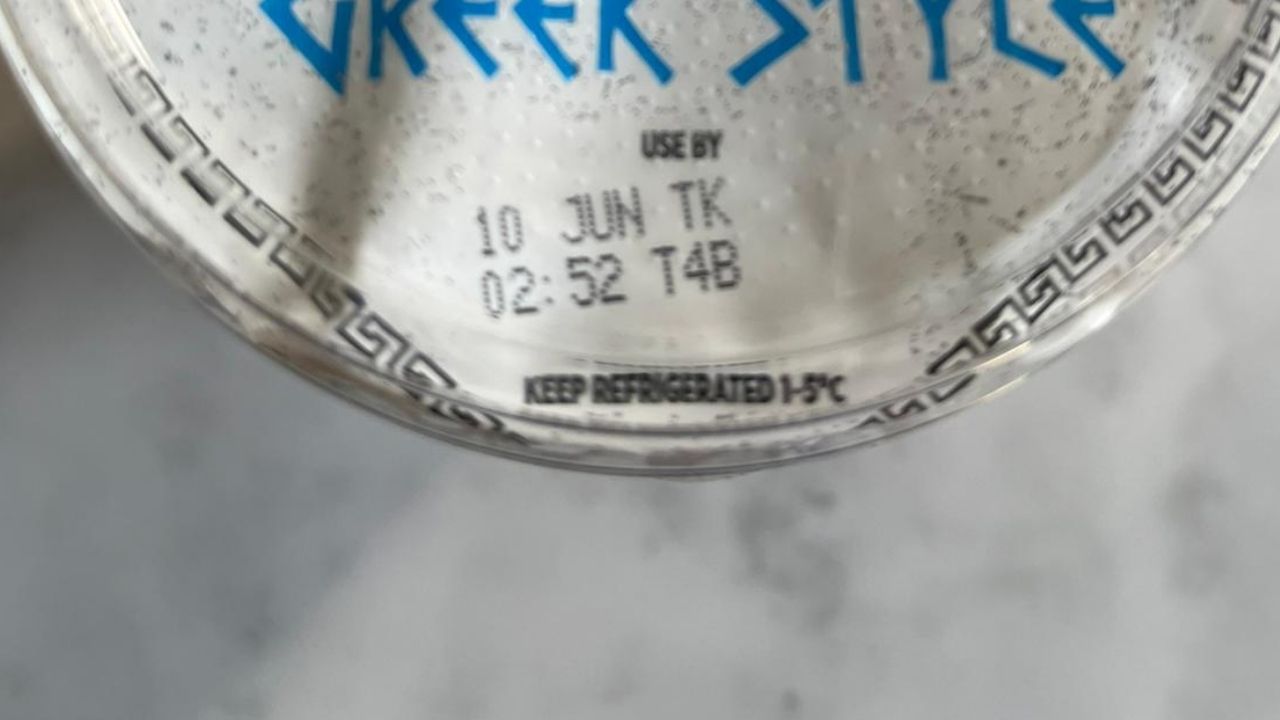
Use by dates

As it suggests, the advice is to actually use the food by the date listed. So, often this is mainly fresh meat or fish, milk, fruit and veg.

It doesn’t mean you can’t eat stuff after the use-by date, but there’s a risk you could get food poisoning – so it’s often best to stick to the date.

I’ve had a look online to see if there are any general rules for telling if something is still ok to eat – but the advice is mixed.

Apparently, some manufacturers factor in a day or two extra as a precaution, while some people swear by the sniff test. However, the only guarantee, as long as the food has been stored properly, is to consume it by the use-by date.

Best-before dates

Anything with a best before date is safe to consume after expiry. However, the manufacturer will only guarantee the quality until the date.

So you shouldn’t get ill if a pack of crisps or tin of beans if out of date. It might not taste great, but there’s every chance it’ll be just fine – especially if it’s only a few weeks past. Some stuff is absolutely fine months later.

Sell-by / Display until dates

The sell-by date is really an indicator for shop staff rather than customers. It doesn’t actually mean anything for the quality or safety of the food. There’s actually been a huge drop in how often we see these as research found they understandably confused shoppers.

The best deals

Find our picks of the best offers in our dedicated deals library

How I beat use-by and best-before dates and save money

Chucking out-of-date food away is essentially throwing money in the bin. Here’s how I avoid it. I know some might seem obvious, but I’ve added in some details you might not be aware of for each.

Freeze it

Ignore packaging that says “freeze on day of purchase”. You can freeze anything up until the use-by date as long as you’ve not already opened it.

When you defrost it you should then cook the produce within 24 hours.

I’ll sometimes break up a pack of meat into smaller freezer bags for an individual portion. This means I can get one chicken breast out if I’m cooking for myself, or more depending on how many I need.

You can of course also freeze leftovers, while batch cooking is a great way to use up everything.

Eat it

Right, obvious. But if you keep an eye on use-by dates and plan your meals around those items you won’t be chucking out foods you could have eaten.

Once you’ve cooked meat you’ll also be able to store it for a couple of days until the fridge, even if you cook it on the use-by date.

Buy cheap out of date food

You rarely see supermarkets sell items past their best before date, but smaller shops and markets will often have cut-price grub that’s just gone out of date.

There are also online retailers such as Approved Food and Yankee Bundles. They sell a huge variety of products for pretty low prices, including big brands. They also sell a lot of stuff that’s seasonally out of date – so post-Christmas, Easter and Halloween there’s an influx of cheap but perfectly good choc and sweets!

It’s well worth taking a look, but don’t get too carried away by the bargain basement prices – you’ll still need to eat or drink the stuff!

Know what you’ve got

If you’re heading to the supermarket, it really does help to make a list of what you actually need, rather than what you think you need.

A quick cheat here is to take a photo of your fridge or cupboards so you can see what’s there.

Be flexible with your meals

A common food tip is to meal plan – it is probably the best way to make sure you use up ingredients.

But I also try to be flexible with what I’ll have for dinner – and this allows me to take advantage of cut-price food that’s about to go out of date.

You see I’m a little addicted to reduced stickers, as I wrote about a few years ago, so I’ll often decide on meals based on what I can pick up on the day, then freeze anything I can’t use that night.

Buy smaller portions

Those big packs might appear to be cheaper, but not if you have to throw half of the contents in the bin.

If you only use some items occasionally, especially store cupboard essentials, it might be better to buy smaller packs – even if they cost more per 100g. In the long run, you’ll save money.

Avoid bulk buying

This is one area I occasionally fall victim to. If I see a really good deal I sometimes buy two or three – usually on condiments (I’m a little sauce obsessed). Mostly it’s fine, but every now and again I get caught out and find I’ve not used them by the best before date.

Obviously, I now know they’ll be okay to keep eating after the best before date (as long as they aren’t open), but even so I do limit how much of the same thing I buy.

Restaurant discount cards compared – are they worth it?

Tastecard, Dine, Meerkat Meals, Gourmet Society and Hi-Life Diners Club all offer good deals on dining out, but are they worth shelling out for?

You know me, I’m always looking for deals and discounts, and dining cards seem like a fantastic way to save some cash when eating out. But could you just be paying for something you don’t really need?

Rather than review them individually, I’ve compared what you get with each of the options and shared not just how much they cost, but whether they represent good value for money.

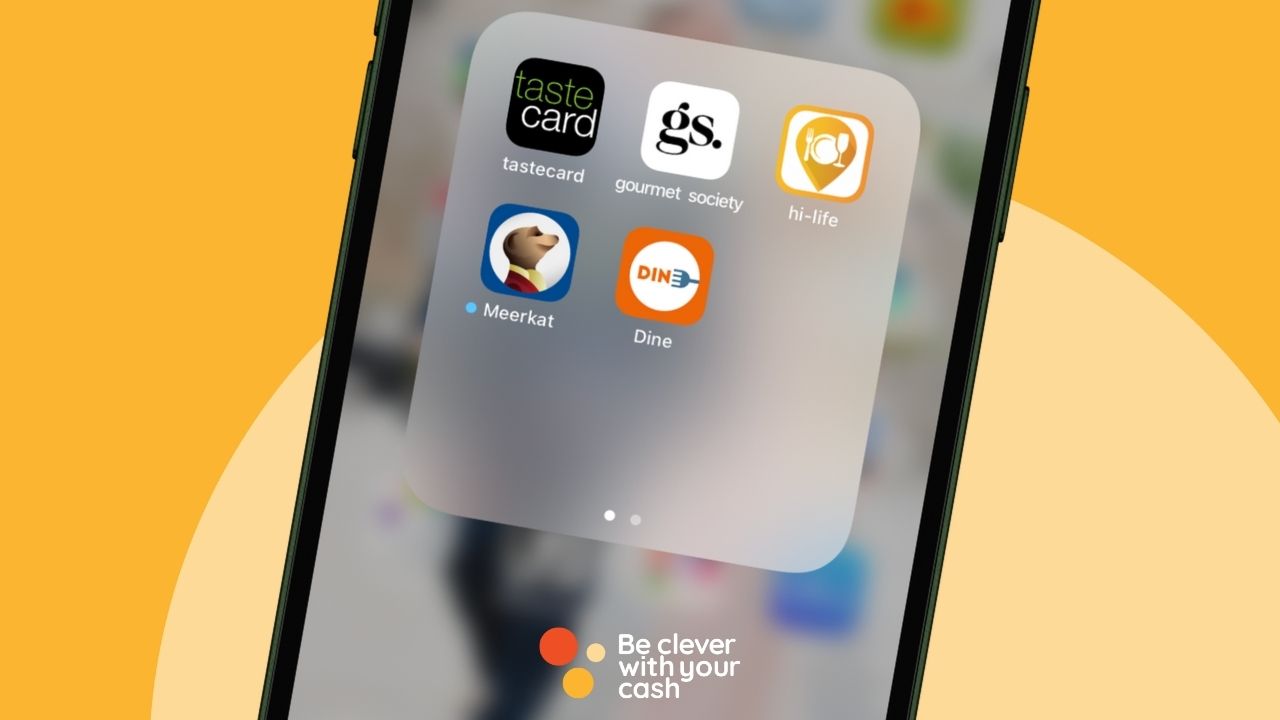
image of mobile with the apps

What restaurant discount cards are available?

There are currently four main options:

  • Dine Club
  • Gourmet Society
  • Meerkat Meals
  • Tastecard

How do dining cards work?

Sign up for one of the memberships and you’ll have access to discounts at thousands of restaurants in the UK. You can find out which restaurants are participating and what you’ll save via their websites and apps.

Once you join you’ll either be sent a physical card to put in your wallet or a digital card you access via an app on your phone.

Some restaurants require you to book in advance, but plenty allow you to just turn up. Let them know you’ve got one of these cards, present it when you ask for the bill, and you should get the money off your meal. Easy.

What discounts are available?

The offers used to be quite different, but now they are pretty similar. If there’s more than one type of deal it often depends on the individual restaurant which one applies.

  • Tastecard: 2 for 1 or 50% off, plus 25% off Caffe Nero
  • Dine Club: 2 for 1, 50% off or 25% off total bill
  • Meerkat Meals: 25% off the entire bill, 50% off pizza delivery
  • Gourmet Society: 25% off the whole bill including drinks, two for one meals or 50% off food

Anything to watch out for?

A few things you need to be aware of:

  • There are often exclusions on weekends, and some restaurants don’t let you use the card in December
  • Some restaurants have a limit of two people per card, though some let you use more than one card on a table
  • You might also have to book in advance
  • They will auto-renew! Make sure you cancel soon after you buy the card to avoid this as full-price is often (though not always) a rip-off. You’ll still be able to use it for the length of your membership and you can then look for a better deal if you choose to renew
  • I’ve had restaurants I’ve visited tell me they’re no longer accepting the cards, even though they’re still listed, so it’s worth checking before you turn up

Our podcast

Listen to Cash Chats, our award-winning podcast, presented by Steve Alderton and Editor James Andrews.

Episodes every Monday.

Where can you eat?

You’ll find some restaurants on all or most of the memberships, while others will only be on one.

Ultimately, which is best comes down to where you live and the type of place you want to eat. So if your local fave you often eat at is only with one membership, then that’s possibly the best for you.

There are plenty of chains too. You can check which restaurants are near you on the various websites and apps.

What free trials are there?

Half of the memberships offer free or £1 trials, with periods ranging from 30-days up to 90-days.

Check out the latest Tastecard and other dining card deals here. Typical free trial offers include 90 days Tastecard for free and 90 days Gourmet Society for £1.

You can even get a 24 hour pass for Dine for £1.99 which is perfect if you don’t need a long term membership.

Which is cheapest?

Dining membershipFree trial?Annual cost
TastecardYes (latest here)£39.99
Gourmet SocietyYes (latest here)£34.99
DineClubNo£49.99
Meerkat MealsNo£1 (via hack)

A year of Meerkat Meals can be picked up for around £1 using a simple little trick – and you get Meerkat Movies too.

With the others, an annual membership is likely to be the most cost-effective once you’ve had the free trials.

You can also choose to pay month by month for some of the memberships, which works out more expensive over a year, but possibly cheaper if you only need it a few times a year. And the £1.99, 24 hour deal from Dine Club is great to use if you’re not a frequent restaurant goer.

What extras can you get?

Tastecard and Gourmet Society have discounts on cinema tickets and days out whilst Meerkat Meals goes hand in hand with Meerkat Moveis.

The cinema offers tend to be discounted tickets at most major chains and some independents. This is pretty good, but as my ultimate guide to ways to save at the movies shows, there are other ways to save – often with bigger discounts. And you have to be careful that your local cinema doesn’t have an offer that beats this.

Should you get a restaurant discount card?

I think these memberships can each be really good value – but it mainly depends on four factors:

The price

If you have paid around £40 you only need to eat out two or three times to break even. As long as you’d do that anyway, it’s a no-lose situation and you will start saving afterwards. If you think you’ll use the cinema discounts too, then even better.

The discount

Two for one is great for two people, not for three. And though one card might give you 50% off food, another might give 25% off food and drink. Depending on how much you spend on booze, you might find the lower discount actually saves you more money.

The restaurants near you

It’s always worth checking what’s available near where you live and work as these are the places you’re more likely to visit – and then check if there are other savings you can get for free.

Will you actually use it?

I found that when I lived in London there were so many quality restaurants I wanted to eat at that I rarely used my membership cards. I’d rather enjoy my meal or try something new than go somewhere simply because there was 50% off.

But of course, if your fave place to eat is listed, then these can be brilliant ways to spend less when eating out. 

Andy’s top tips

I’d recommend taking out the trials rather than buying one straight away. This will help you see just how much you will use one. If it’s not much, then you know these might not be for you.

And you’ve always got the option with most to take out a monthly membership. Though your savings per meal will be less, you’ll be better off in the long run.

Do try, if you can, do support local restaurants though over the chains. So many are shutting their doors that our support can make a big difference.

How to find cheap flights

16 ways to save money on your travels

We’ll tell you how to find the cheapest flights, give you tips to keep the costs down, and we also lift the lid on all the so-called hacks to make your air travel as cheap as possible.

Photo of a plane wing

Some articles on the site contain affiliate links, which provide a small commission to help fund our work. However, they won’t affect the price you pay or our editorial independence. Read more here.

Make use of flight comparison sites and trackers

Google Flights, Skyscanner and Kayak are just three of the many flight comparison sites out there that can help you find the cheapest price possible for the flight you want.

If you are particular about a date and a place you want to fly to, then you can set up alerts on all of these sites. Then just sit back and leave the comparison sites to tell you when it’s best to book. If the price drops (or dare we say rises), these alerts will let you know.

Alternatively, if you are not fussed about the exact date you want to fly, then you can use comparison sites to look at a whole month and use this to pick the cheapest dates. 

This works too if you’re not set on a particular place as you can simply input ‘everywhere’ as your destination and see the cheapest places to visit in a particular month.

Using this method, you can even find great priced flights in the busiest travel months of the year. For example, input the month of August 2024 into Skyscanner with ‘everywhere’ as the destination and at the time of writing you’ll find return flights available to book for less than £50 to Denmark, Norway, Italy, Luxembourg, Germany and more.

Check for codeshare savings

Codeshares are a type of flight where one airline operates the flight, while other airlines may sell seats on it. Sometimes exactly the same flight is cheaper when you book through one or the other airline. You can check who will be operating the plane by checking the flight number. 

That said, you will need to watch out for transatlantic flights as US airlines aren’t part of stronger EU rules on delay compensation – even if you booked via an EU or UK partner.

Book budget flights earlier rather than later

Tickets are often less with budget airlines when they first go on sale. As seats sell, fares tend to increase in price with the most expensive ones close to travel.

However, buying early doesn’t mean they won’t get cheaper, since airlines often run promotions, but generally with budget, the earlier, the better.

Watch out for flight brokers

When you use sites like Skyscanner and Kayak, you’ll usually see prices from third party agencies, and these can often appear to be the cheapest option.

Booking through them should be the same as booking via a travel agency but we’ve seen several stories where the price changes or different flights are booked.There have even been cases where bookings haven’t been even made and customer service has been non-existent.

Do a little research before using one, as most have plenty of customer reviews. If there isn’t a great deal of difference in price, then it might be better going with the airline directly or using a more established agency such as Expedia or eBookers.

Consider indirect flights

To keep the costs down when looking for flights, consider flying indirect routes, as these are almost always cheaper. You can do one way or both ways indirectly.

It is best to book as one trip rather than booking individual legs separately, so you’ll be covered if you are delayed on any flight and will get moved to a later connection.

For peace of mind, it’s always best to choose connecting flights that give you at least one hour to get from plane to plane as you may need to go through customs or pick up your luggage on the way. This varies depending on the country you are passing through, so always allow yourself enough time so you’re not running to your next connection.

Just a heads up, when looking at indirect flights be aware that there are some connecting flights which require you to switch airports. I’ve seen this for US flights where the connection is in New York and you land in JFK but take off on the connecting flight from Newark airport. 

You would have the cost and hassle of lugging your cases across New York, making that low cost indirect flight you found, not quite as good as you once thought!

Make a stopover

If you don’t fancy extending your flight time or enduring lengthy layovers in the airport when flying indirect, it could be better to extend the interim stop and spend the night there. You’ll often save some cash and there’s the benefit of getting to visit another destination on your trip.

Go “open jaw”

An alternative to a stopover is an “open jaw”. These flights are booked at the same time but depart from and return to different airports.

A few years back, editor Andy flew from London to San Francisco and returned from San Diego to London. This allowed him to spend a day in San Francisco before getting a separately booked short and cheap flight to San Diego.  All three flights combined were actually cheaper than flying direct to San Diego!

To find options look for multi-destination options in search options. Or, if you want to book the additional flights yourself, we also like the site Skiplagged to find potential routes.

Fly into other airports

If a town has multiple airports or if there are alternative airports that are easy to travel to then it’s worth checking prices at each of those for both your departure and arrival. Do check exactly where these are though as you could find you’re adding on more time and money to actually reach your final destination for some.

You may actually find these smaller airports have less queues at passport control as they’re often quieter. I have also found with car hire it has been cheaper to pick up and drop off at the smaller airports. Obviously this is not always the case, but it’s worth checking all the costs involved with travelling before booking your flights.

Keep luggage costs down

The first price given on most airline websites is the cost of the flight without hold luggage, so if you want to keep the flight price as it is, then you need to travel light.

Now there are some circumstances where you have to take hold luggage such as if you have large cosmetics, golf clubs or a big suitcase. But rather than book the upgraded economy ticket to include this, work out the price difference if you add these as extras – it can sometimes work out cheaper. 

This can really save cash when booking for multiple people as the airlines apply a seat upgrade to all the tickets you are booking. Since you won’t necessarily need a hold suitcase for each person, you can just book all the travellers at the basic rate and then add on the amount of hold luggage you’ll be taking as an extra. 

This is how I book flights for my family as we never need 5 suitcases – I book the most basic ticket and add on 2 additional suitcases.

If you are adding sports equipment as an extra, such as golf clubs, and there’s space, think about packing your clothing and toiletries in with the equipment (up to the permitted weight), rather than paying for an additional suitcase. The additional padding from the clothes protects your sports equipment too!

Make your carry on luggage allowance go further 

Different airlines offer different carry-on luggage weights and size limits, but here are the airlines with the best carry on allowance included in their most basic fare, that we found:

  • Norse Atlantic 40 x 30 x 15 cm, no weight limit
  • British Airways 56cm x 45cm x 25cm and 23kg + a personal item like a handbag or small rucksack
  • Virgin 23 x 36 x 56cm and 10kg plus a personal item small enough to fit under seat in front (no weight specified)

Using the free carry-on luggage allowance to its max, which with some airlines will be a small suitcase and a rucksack, may mean you don’t actually need a large suitcase in the hold and this could save you money.

Make sure you read up on what you can put in your carry-on luggage as there are restrictions on liquids among other things.

Still need more room? Think about stuffing clothes into your neck pillow. You can buy one specifically designed to do this, or if you already have one with a removal cover, ditch the cushion and fill it with pants, socks, t-shirts and other soft clothes and you have a luggage carrier that’s also a comfortable neck pillow – great for those long haul flights.

Don’t pay to book seats when you book your flight

To book airline seats or not to book seats? A question everyone wants answered, but there’s no right or wrong answer. 

If you want to ensure you are sitting with your travel companions or, if you have a preference for a particular seat on the plane, then expect to pay a hefty price to guarantee this. The airlines are really cashing in when it comes to seat allocation and you can expect to pay anything from a few pounds to a few hundred pounds to guarantee your seats.

But Which? recently surveyed the major airlines who, all but Ryanair, confirmed they have systems that will always try to seat groups on the same booking together. 

So if you check in as soon as you’re able to, you should in theory get to sit together, as long as there are seats available. Now if the flight is busy and lots have decided to pay upfront for their seats, then this may stop you from getting seats together.

But you can keep checking the seat allocation on your flight right up to check-in. By going to the ‘manage my booking’ section of the airline’s website, you’ll be able to look at what seats have been taken and what’s available by doing a mock seat purchase.

The reserved seats will usually be greyed out so you’ll be able to see how much space is available on the flight and make a call as to whether it is necessary or not to pay to reserve seats.

If you’re willing to wait until check-in to select seats, ensure you check in at the soonest you can. This will vary by airline, also by ticket type and even by loyalty card status. For example, BA bronze executive club members get to select seats one week before departure whilst for Blue members and non-members it’s 24 hours.

Check your options if you’re travelling with kids

If you’re travelling with kids, then most airlines will aim to sit you together or as close as they can. Again it’s no guarantee, but they do go out of their way to ensure this happens so you don’t have to pay to reserve seats. 

RyanAir is a bit different and allegedly it separates parties unless you pay to reserve seats. To guarantee sitting with your children, they insist you pay to reserve a seat so bear this extra cost in mind before booking.

Make sure you pick a good seat

Before you book your seats, use a site like seatguru to find out which seats are the best and which ones should be avoided, as it maps out each plane and colour codes seats according to how good they are. If they’re colour coded green, then the seat has had a positive review.

Our podcast

Listen to Cash Chats, our award-winning podcast, presented by Steve Alderton and Editor James Andrews.

Episodes every Monday.

Don’t forget your airmiles

If you collect the various airline points, then don’t forget to check the price of flights by paying with points in part or in full as you may be able to snag yourself deal. 

Most of the time we think you’re better off swapping your Avios into Nectar and shopping around for flight deals, but if you have companion vouchers you may be able to save on your tickets.

Use “incognito” or private browsing

Experts differ with their opinions on whether this actually happens or not but some say that flight websites use tracking cookies when you’re looking for flights to change the price if you’ve searched for the same route a few times. It’s been reported that you might even get higher prices if you use an Apple Mac rather than a PC.

There’s no guarantee you’ll get lower fares, but if you use the incognito option in Chrome or private in Safari you can hide your search cookies from them. Just remember to close the windows and open new ones for each search. 

Sign up for deals

Sign up free to Jack’s Flight Club and get an email every week with the best flight deals they have found. There’s also a premium membership at £39 a year where you’ll be sent even more deals. I’ve not signed up for this, but if you have the flexibility with work and family to get away on a whim, it could well be worth it. 

Secret Flying is another site worth looking at if you want a rock bottom price for a flight and are open to different destinations.