







The pros and cons of closing unused credit cards
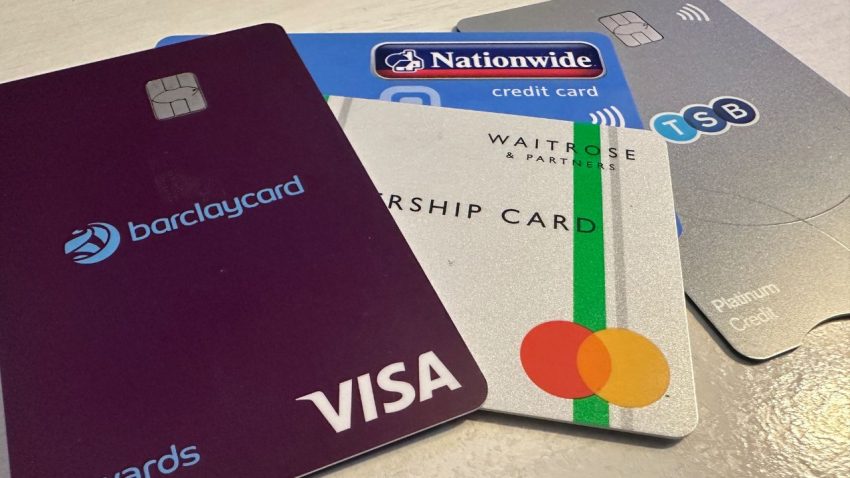
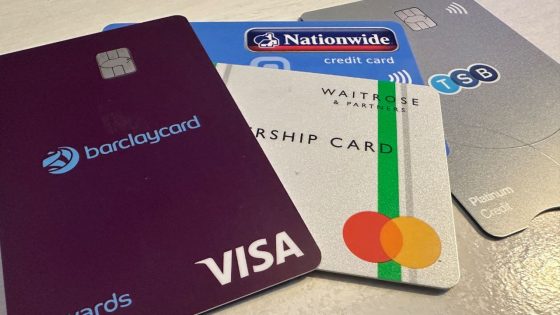
From swapping to a different rewards card or transferring your balance to a new 0% option, it’s easy to build up a collection of credit cards that you no longer use. So what should you do with them?
Sadly there’s no single answer here, and depending on your circumstances, you might find it better to keep some, and get rid of others.
I’ve taken a look at the times you’ll want to keep them open, and the times you should be cancelling.
Some articles on the site contain affiliate links, which provide a small commission to help fund our work. However, they won’t affect the price you pay or our editorial independence. Read more here.
When to keep old credit cards
Even if you have a card sitting in your wallet that never sees the light of day – there are good reasons to keep it open and on you.
Consumer protection
If this is your only credit card, then you’ll want to keep hold of it for bigger purchases. Under Section 75 of the Consumer Credit Act, purchases made with a credit card over £100 and up to £30,00 are legally protected if something goes wrong.
This means you can get a refund from the credit card provider itself, not the vendor, for things like faulty items, deliveries that don’t appear and hotels that go bust.
Perks and rewards
I love a good credit card perk, especially for the huge welcome bonuses with some cards, or the ongoing cashback and points. But say you’ve triggered the bonus and no longer use that card, or you’ve moved to a different cashback card? Even then, you might not want to cancel it.
For a start, check that you’ve used or transferred any points or cashback that’s built up. If you just cancel you could lose these.
Then there are other offers worth keeping some cards for, such as the deals you activate on Amex cards. Though if the card comes with a fee, you’ll need to weigh up whether that’s worth it.
You might also need to keep a credit card to use an offer linked to it. For example, if you’ve triggered a companion voucher from the British Airways American Express Premium Plus you need to use an Amex card (not necessarily the BA one) to pay for the rest of your booking.
Emergencies
In an ideal world you’ve built up a savings fund for emergencies, but with or without one, it’s still useful to keep a credit card in reserve. Though they are expensive ways to borrow, they aren’t always the most costly. So having it there in the background just in case can be worth it.
Remember too, there’s anywhere between two and six weeks from making a purchase that you’ve actually got to clear the balance to avoid interest. So when it comes to those emergency purchases, having a card also gives you a little breathing space before the money comes out of your bank account.
Car hire & holidays
There are some instances where you can only pay for a service if you have a credit card. Most common is for car hire, but you’ll also sometimes see this for things like holds for hotel incidentals. This is where they put a hold on an agreed amount in case of things like you damage the car or use the mini bar.
And if you can use a debit card instead for things like this, it’s best not to as it’ll freeze access to those funds in your bank account.
Low interest rate
If you’ve got multiple cards you’re not using, and suspect there’s a chance you might need to use one at some point and not clear it before interest is due, then keeping the one with the lowest APR will mean if you do borrow on it, it’ll cost less than alternatives.
Of course, it’s best to check you can’t find even cheaper, if not free, ways to cover those costs.
Really old credit cards
Cancelling a credit card can be good or bad for your credit report, but one trigger that will mean your score drops if closing an account you’ve had open for a long time. That’s because longevity is seen as a positive signal to lenders.
So it’s worth keeping the longest card alive, even if you never use it.
Get the best of our money saving content every week, straight to your inbox
Plus, new TopCashback customers get a high paying £18 welcome offer

Large credit limits
It can also worth keeping open a credit card with a large credit limit, as this shows new lenders you apply to that existing places are happy to lend you large amounts. It’s a signal that they trusted you, so this other lenders can too.
Having more than one credit card works in the same way. It can show to lenders that you’re able to responsibly deal with multiple lines of credit.
Building your credit file
If you’re not using any credit cards at all any more, then other than perhaps things like a mortage or loans, there’s little evidence on your credit file that you are able to safely manage credit. And that can be a warning sign on future applications.
So it makes sense to keep at least one card not just open, but also active. The trick here is to use it just for regular expenses each month rather than any new spending.
Use a direct debit to clear that amount completely every month after the statement has been issued, and you’ve not got evidence that you know how to safely use a credit card.
Credit utilisation
Credit utilisation is a term used to describe how much of your credit limit is in use. So if you have a limit of £3,000 and have spent £1,500 on the card, that’s a credit utilisation of 50%.
This applies not just to a single card, but also across all your cards. And this means if you cancel a card you don’t use, your total limit reduces.
Let’s say you have another card also with a limit of £3,000, and nothing spent on it, then your utilisation falls to 25%, which is at the top level Experian recommend.
When to ditch old credit cards
Tempt you to spend what can’t afford
It’s all well and good saying keep a card for the reasons above, but if you think you’re going to spend money you can’t afford and built up debts, then it’s worth getting rid of excess cards.
I’d still suggest trying to keep on available, but perhaps look at ways that make it harder to spend on it.
Too much credit
If you have thousands of pounds of credit available to you on one or more cards, it can signal to lenders that you have the potential to spend it all and get into some big debts.
So reducing your total allowance across cards can be a benefit. However, you’ll have spotted this could impact some of the pros listed above, namely credit utilisation and a large credit limit, so you’ll need to work out what works best for you.
Fees
Any cards with monthly fees that you aren’t making the most of should be ditched.
For any that you paid for annually upfront, check to see if you can get a pro rata refund. This partial reimbursement will be calculated based on the unused months left before renewal. If you can’t get this, then make a note to cancel just before the full year is up.
New customer offers
Cancelling some cards will kick start the clock before you’re eligible again for a new welcome offer from the same provider. It can vary, though you’re typically looking at 24 months for American Express and the Avios Barclaycard, but just six months for Virgin Atlantic’s card.
Retention offers / new BT deals
You might also find that going to cancel a card triggers an offer to stick around. Often it’s with the fee paying reward cards, but you could also find it applies to balance transfer and other 0% cards. Do shop around though to check you can’t get better deals elsewhere.
How to close old credit cards
Make sure actually you actually call up or put it in writing to cancel. Yes you do need to cut the card up, but you also need to let card provider know.
You’ll need to pay any remaining balance, or transfer it elsewhere. Don’t forget to use any existing rewards too, so you don’t lose them (e.g. Amex Rewards).
Then, check your credit report a few months later to be sure it’s happened. Keep an eye for final statements so you can be sure all is OK.