
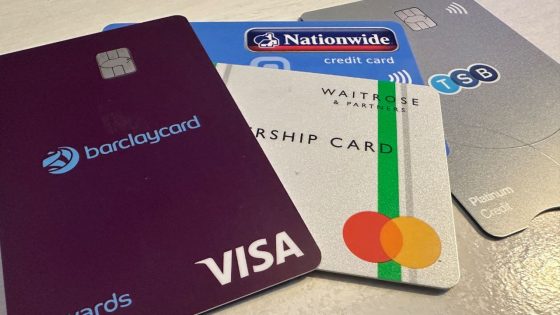

Best credit card offers and promotions (April 2026)

The best offers and promotions for credit cards from 0% interest through to introductory bonuses.

Used responsibly, credit cards can help you earn money on purchases, give you stronger consumer protections, make holidays cheaper, help you clear debts or spread the cost of a big purchase. 

Everyone’s situation will be different, so these are just the best cards out there – you might have to settle for a shorter deal or lower rate of cashback.

Some articles on the site contain affiliate links, which provide a small commission to help fund our work. However, they won’t affect the price you pay or our editorial independence. Read more here.

Cashback card welcome bonuses

When you’re opening a card, especially a cashback or rewards based card, it’s worth seeing if there’s a welcome offer. And even better, checking to see if it’s boosted.

Amazon: £50 welcome offer

Sign up for the new Amazon Barclaycard and you’ll get £50 in Amazon credit added to your Amazon account.

You’ll also earn 1% at Amazon and 0.5% elsewhere, dropping to 0.25% after a year.

Existing Barclaycard customers won’t be able to apply. You need to apply by 9 April to get a £40 Amazon Gift Card if approved, plus you can activate your Amazon Barclaycard in the app for an extra £10 Amazon Gift Card.

Santander: no fee for first year of Edge credit card (ended)

Those with a Santander current account can get the Edge credit card without its usual £4 monthly fee for the first year. The card lets you earn 1% back on your spending, up to £10 per month, giving you a cap of £6 oer month that you can make with the account, but with this offer, you can save £48 per year and make up to £120 in cashback. We have a full review of the Santander Edge credit card with all the info on cashback you can earn.

To get it, you need to open a Santander Edge credit card between 11 November and 13 January 2026, set up a Direct Debit and use your credit card 10 times or more over the first 3 months to qualify.

For this, you’ll get £48, which will cover the monthly fee for the first year.

Barclaycard Avios: boosted welcome offer (ended)

The usual 25,000 welcome Avios is boosted until 15 January 2026 on the Barclaycard Avios Plus credit card.

In addition you can get 10,000 more points and a year of Apple TV.

To get all the points you need to spend £6,000 in the first six months. This spend will also earn you another 9,000 points, giving you a total of 44,000 points, which is worth £220 if converted into Nectar points.

However, the card does come with a £20 monthly fee. You could cancel the card once you’ve hit the threshold to reduce the impact on your profit.

Existing Barclaycard customers won’t be able to apply.

Best American Express welcome offers:

We’ve more details on the latest offers in my dedicated guide to American Express offers, but here are the top picks for the bonus available for new cardholders.

Boosted Amex welcome offers

John Lewis: double points for 60 days

If you apply for a new John Lewis Partnership card you’ll get double points at John Lewis or Waitrose for the first 6 days, meaning you’ll get the equivalent of 2.5% back.

After this, you’ll earn 1.25% back (5 points per £4 spent) in Waitrose or John Lewis. You’ll get 0.25% back (1 point per £5 spent) at all other retailers.

There’s no end date for this deal.

M&S: 5x points for six months

If you apply for a new Marks & Spencer credit card, you can get five points on M&S spending instead of one, for six months. Every £100 spent gets 500 points which works out as £5 as a voucher.

There is no closing date for this offer but the terms and conditions state it can be withdrawn at any time.

Best 0% Purchase & Balance Transfer welcome deals

Before you get a 0% balance transfer card make sure you read my guide to how to properly use them to reduce the cost of debts.

Bonus cashback: Up to £25

Cashback sites Quidco and TopCashback offer between £20 and £30 to successful applicants for credit cards from Tesco, TSB, HSBC and Barclaycard. Rates can change, so check out both sites.

For balance transfer cards this could work out better than the no-fee option. So, for example, if the transfer fee is 0.9% and you transfer £2,222 or less then the cashback you earn will wipe out the fee.

These rates can change so it’s worth checking each site to see which pays the most.

New to cashback sites? Get an additional bonus of up to £20

Quidco new members can get £18 when they spend £10, while TopCashback new members can get £20 when they spend £10. Find out how to get these bonuses

Best fee-free travel welcome deals

Most credit cards are expensive to use overseas, but a few are fee-free on transactions and withdrawals.

Best credit building credit card welcome deals

If you’ve got a poor credit rating then spending on a credit card and then clearing the debt completely each month can help boost your score.

I’ve written in detail about this type of card, so make sure you check it out.

Barclaycard Forward: £15 cashback

If you’re eligible for the Barclaycard Forward card, then you can apply via Quidco to get £15 cashback.

Tesco Foundation: £25 cashback

You can get £25 cashback when applying for the Tesco Foundation card via TopCashback.

Get paid to switch bank

Check out the latest bank switching incentives, plus the current accounts with the best rewards, cheapest overdraft and highest interest.

best bank switching offers

Expired deals

Asda Money: up to £50 cashback (expired)

If you open a credit card with Asda Money by 6 January 2025 then you can get 5% back in your Asda Pounds in your first 60 days, up to £50.

You’ll also earn 0.75% on your Asda spend and 0.2% everywhere else.

This is only available for new customers, or those who’ve not had an Asda credit card in the last 12 months. You’ll need to stay within the terms of your credit agreement to get the Asda Pounds.

It’s worth noting that recent offers have paid more, with £50 or £100 available in cashback in 2024.

Virgin Atlantic Reward+: Up to 36,000 bonus points boost (ended)

If you collect Virgin Points rather than Avios, this offer until 13 October 2025 will earn you double the usual welcome points when you spend £3,000 within the first three months.

CardFeeRequirementWelcome bonusBoosted points
Virgin Atlantic Reward+£160 a yearSpend £3,000 within 90 days18,00018,000

You’ll get 18,000 points with your first purchase with this card, and then another 18,000 when you spend £3,000 in the first 90 days of having the card. You also need to link your Flying Club number to your credit card by 11 January 2026.

You’ll be eligible for the offer as long as you’ve not held this Virgin Atlantic card in the last six months. If you have the free version of the card you will be able to get this offer.

With the card, you earn 1.5 Virgin Points for every £1 spent on card purchases and 3 Virgin Points for every £1 you spend directly with Virgin Atlantic or Virgin Holidays.

The offer ends on 13 October 2025.

Is it worth it?

This is a significant boost on the previous one last Spring.

Bear in mind there’s a £160 annual fee, and you won’t get a refund if you cancel it after getting the bonus.

You can use the points against flights, as well as on the Virgin Red site, including for train tickets or gift cards at Costa, Nike and Pizza Express. You’ll get half a penny (0.5p) per point, so those 36,000 points will be worth £180.

You can also swap for things like Virgin Wine and Greggs’ sausage rolls!

HSBC: 0% purchase card plus £60 cashback offer stack (expired)

With the HSBC Purchase Plus card, you can get £35 cashback from Quidco when you apply and use the card within 90 days. If you’re not on the Premium level of Quidco (£1 a month – more here), that this drops to £25.

And on top of this HSBC will give £25 cashback if you spend £100 on the card once accepted. That part ends 16 December 2024.

The card itself offers up to 20 months of spending at 0%, and up to 17 months for a balance transfer, with a fee on the latter of 3.49%. If you use the card for purchases you must pay off at least the minimum each month, even though it’s at 0%.

Remember, even though you need to go via Quidco to get this offer, you should check your eligibility first on the HSBC site. If you decide to proceed with the application, close the HSBC website down, and start again via Quidco.

If you’re new to Quidco, you could get up to £20 as a welcome bonus as well, though you’ll need to you use this for other shopping as it requires a minimum spend.

Barclaycard: £20 bonus and £15 cashback (expired)

With the Barclaycard Platinum credit cards, you can get £15 cashback from Quidco when you apply and use the card within 90 days.

And on top of this Barclaycard will give £20 cashback if you spend £500 on the card once accepted. That part ends 6 February 2025.

The card itself offers up to 22 months of spending at 0%, and up to 19 months for a balance transfer, with a fee on the latter of 3.45%. If you use the card for purchases you must pay off at least the minimum each month, even though it’s at 0%.

Remember, even though you need to go via Quidco to get this offer, you should check your eligibility first on the Barclaycard site. If you decide to proceed with the application, close the Barclaycard website down, and start again via Quidco.

If you’re new to Quidco, you could get up to £20 as a welcome bonus as well, though you’ll need to you use this for other shopping as it requires a minimum spend.

Halifax Clarity: £20 cashback (expired)

Sign up for a new Halifax Clarity credit card and make a transaction within 90 days to get a £20 bonus added to your card.

The Halifax Clarity won’t charge you for spending or using an ATM, but it will charge interest on cash withdrawals.

Yonder: 6 months free (expired)

If you sign up for Yonder, you can get yourself 6 months free (usually £15 per month). 

Yonder is a reward credit card that lets you earn points to dine out (mainly in London). Travel insurance is included. A nice draw is that it doesn’t necessarily check your credit report as it prioritises open banking data when making a decision on accepting or rejecting your application.

You don’t have to stick around after the free trial and cancel before the 6 months are up. 

Latest TopCashback deals: £18 for new members (April 2026)

Earn extra cashback from TopCashback with these offers, including a welcome bonus

I’ve earned thousands of pounds through TopCashback and Quidco in the last 10 years – and that’s just by doing some normal shopping.

Some articles on the site contain affiliate links, which provide a small commission to help fund our work. However, they won’t affect the price you pay or our editorial independence. Read more here.

New member sign up deals

I think the best welcome bonuses are the ones that aren’t linked to a specific retailer. These open-ended offers mean you can get cashback no matter where you shop.

There are sometimes other deals that will pay a similar amount, but they are restricted to specific retailers or require a higher minimum spend (e.g. £30). I’ll share these below if they are better than the generic offers.

You can only get one new sign-up offer.

Free £18 bonus

You can get a £18 new member bonus. You need to spend £10 via one of the retailers listed on TopCashback to get this bonus (excluding takeaways). You must go via this link or the button below.

Read the full terms and conditions when you click through. The £18 bonus ends 30 June 2026.

Existing customer deals

From time to time there are special bonuses you can activate. Often it’s £2.50 when you spend a tenner, though sometimes they are higher or linked to a specific type of purchase.

£2 bonus when you spend £10 (expired)

Just for today (Friday 5 December), both new and existing TopCashback customers can get a £2 bonus when they spend £10 with any retailer through the site. The deal ends at 23.59.

If you’re not sure what to buy or don’t need anything, you can also use it with TopGiftCards. You can use this alongside the £30 sign-up offer above, so you can get a total of £32 for signing up and spending £10.

£5 bonus cashback on £20 gift card spend (expired)

Members can currently get a bonus of £5 with a £20 spend on gift cards via the TopGiftCards page. This includes supermarkets, so it’s a good way to save on everyday spending rather than buying a gift card for the sake of the saving.

You’ll be able to find the offer on the home page, where you need to activate the offer.

Then, you need to make a purchase by 23:59 on 2 September 2025. You’ll get the bonus as well as any cashback earned on the purchase (rates will vary by gift card).

So for example

  • Buy a £20 Tesco gift card with 2.5% cashback
  • Receive 50p cashback
  • Get £5 bonus
  • Save £5.50 (27.5%)

And if you don’t have TopCashback yet, don’t forget you can earn an extra £20 by signing up via our link – meaning you’ll make a profit!

Featured switching deal
Our top pick
Customer rating 3.8/5
  • Switch bonus
    £180
  • Offer ends
    Unknown
  • FSCS Protected? Yes
  • Switch bonus requirements Switch using the Current Account Switch Service and close your old account within 60 days of starting the switch
  • Deposit requirements Deposit £1,500 in the first 60 days from opening the account
  • Direct debits transferred over Set up two Direct Debits before or after the switch from a selected list of household bills
  • Existing customers? Can't have held any Santander current account on 1 January 2025
  • Restrictions Can't have received a switching bonus from Santander already, offer limited to once per person
  • Eligible accounts Open a new or hold an existing Everyday, Edge, Edge Up or Edge Explorer current account

SIPP offers and cashback deals

Investment providers often give cashback incentives for opening a new SIPP and funding your account, especially with a new tax year

Pensions typically hold a fair amount of money, so providers are keen to get you to invest with them or transfer your investments over to them. These offers mostly offer cashback when you open and fund a new account.

Some articles on the site contain affiliate links, which provide a small commission to help fund our work. However, they won’t affect the price you pay or our editorial independence. Read more here.

Here at Be Clever With Your Cash, we’re not regulated to give you financial advice. We aim to give you the facts about a provider or investment but it’s up to you to decide if it’s suitable for you. If you’re looking for more personalised guidance, find a financial adviser who can give you specific advice. Remember that your capital is at risk when investing — don’t invest more than you are prepared to lose. 

SIPP offers

These are offers to tempt you to sign up for a new SIPP or transfer existing ones. There may be a minimum amount you need to add in order to get the bonus, and sometimes the amount you’ll get will be determined by the amount you fund the account with. Remember, we’re just sharing offers here and not recommending any individual investment platforms, so do your research before applying.

SIPP offers

InvestEngine SIPP

Customer rating 4.8/5
  • Offer
    Cashback between £25 and £5,000*
  • Annual fee
    £0
  • Trading fee
    £0
  • Minimum deposit
    £100
*Earn between £25 and £5,000 cashback when you top up or transfer at least £5,000 into your SIPP
  • FSCS Protected? Yes
  • Interest on uninvested cash None
  • Investments available With InvestEngine, you can't invest in individual investments. You can choose between a range of exchange-traded funds (ETFs) to build your portfolio
  • Fractional shares Not available
  • Trading fee £0
  • Fund fees When you invest in funds you'll also have to pay fund fees between 0.03% and 0.89%, depending on which ones you choose
  • Foreign exchange fee Not applicable
  • Transfer out fee None
  • Offer details New customers can get cashback for a new SIPP when you top up or transfer over at least. £5,000. You can get £25 to £5,000 in cashback, with the amount you get depending on how much you top up or transfer. You need to opt into the promotion on the homepage to get the cashback.

Hargreaves Lansdown SIPP

Customer rating 4.5/5
  • Offer
    Get up to £4,000 cashback*
  • Annual fee
    0.35%
  • Trading fee
    £6.95
  • Minimum deposit
    £0
*Get between £75 and £4,000 cashback when you open a new account and fund your SIPP with at least £10,000 by 5 April 2026
  • FSCS Protected? Yes
  • Interest on uninvested cash 3.75%
  • Investments available Shares, funds, exchange-traded funds, investment trusts, venture capital trusts, gilts, bonds, IPOs
  • Fractional shares No
  • Trading fee It costs £1.95 to buy and sell funds, or there's no charge for regular investing by Direct Debit. For shares, it costs £6.95 if you made up to 19 trades in the previous month, £3.95 if you made more than 20 trades in the previous month, and no charge if you regularly invest via Direct Debit
  • Fees The annual fee depends on how much you invest. Investments up to £250,000 are charged at 0.35%, between £250,000 and £1m is charged at 0.25%, and between £1m and £2m is charged at 0.1% and anything over has no charge,
  • Foreign exchange fee 1%
  • Fund fees If you invest in funds, you'll have to pay fund fees depending on the funds you choose
  • Offer New Hargreaves Lansdown customers can get up to £4,000 cashback when you open and fund a SIPP. The amount you'll get depends on how much you fund your SIPP with — £10,000 funded will get you £75 cashback, while £1m funded will get you £4,000 cashback.
  • Offer details You need to sign up for this offer using an online form, by sending a Secure Message, or by calling Hargreaves Lansdown. You need to fund your SIPP by 5 April 2026 to get the cashback, but you can ask for an extension for transfers, which will give you until 5 July. You must keep the money in your HL SIPP until 28 February 2027 to qualify for cashback. The cashback will be paid in March 2027
  • Transfer out fee None
  • Authorised and regulated by the Financial Conduct Authority Yes: FRN 115248
  • Risk warning Capital at risk. The value of your investments may go up or down

Freetrade SIPP

Customer rating 4.9/5
  • Offer
    Up to £5,000 cashback
  • Annual fee
    £0
  • Trading fee
    £0
  • Minimum deposit
    £0
*Get 1% cashback on deposits or transfers of £10,000 or more into a new account
  • FSCS Protected? Yes
  • Interest on uninvested cash 1% on up to £1,000
  • Investments available Shares, exchange-traded funds, gilts, funds, treasury bills, investment trusts, REITs
  • Fractional shares Yes
  • Trading fee £0
  • Foreign exchange fee 0.99%
  • Transfer out fee None
  • Fund fees If you invest in funds, you'll have to pay fund fees depending on the funds you choose
  • Offer If you fund your SIPP by at least £10,000 (or transfer it in from existing pensions) by 5 April 2026, then you can get 1% cashback on the amount transferred, up to a maximum of £5,000
  • Authorised and regulated by the Financial Conduct Authority Yes: FRN 783189
  • Risk warning Capital at risk. The value of your investments may go up or down

What is a SIPP?

A self-invested personal pension is a type of pension that you can open and pay into yourself. You have the freedom to choose what you want to invest in.

We have a full guide on SIPPs where I’ve outlined all the reasons why you might choose to invest in a SIPP, the fees involved and compare the best SIPP providers.

Will you miss out on the full State Pension?

Here’s how the State Pension works and how to get the full amount

Your State Pension is a regular payment paid out by the Government once you’ve hit your State Pension age (which is currently 66 but is slowly increasing). It could allow you to stop working earlier or wind down the amount you work in later years.

You might think that it’s pointless to care about it until you’re approaching retirement, but there are important questions you should ask, such as how much you’ll get, what age you’d be getting it, and whether you’re even eligible.

When can you get the State Pension?

To start, let’s go back to basics. The State Pension is a guaranteed weekly income paid to you when you reach the State Pension age. You can, of course, retire earlier if you have other income sources or other pensions, but you don’t get this cash until you hit the State Pension age.

The State Pension age is 66 and it’ll keep rising — first to 67 between 2026 and 2028, impacting those born after 1960 and then to 68 years old. This latter change is meant to happen around 2044 (adding a year for those born around 1977) but could occur up to 10 years earlier between 2035 and 2039 (meaning those born after 1968).

Though of course, these ages could – and probably will – change again. I imagine I’ll be 69 when my time comes. And, it’s anticipated that anyone currently under 30 will have to wait until 70 years old to get the payments. Indeed, in 30 years there might not even be a State Pension at all anymore!

How to find out your State Pension age

The way to find out what the date will be (as things stand now) is for you is to use the State Pension age tool on the Gov.UK website.

You simply enter your date of birth and ta-da, you’ll see your State Pension age.

Quick note – as the earlier increase to 68 is just a proposal it’s not been factored into the calculator, so add a year if you were born after 1968 to be on the safe side.

Why you should care about your State Pension now

So you now know when you’ll get it, and it could well be a long time until you reach State Pension age. Hey, for me it’s at least another 25 years! So we can forget about it until then, right?

No – there are important reasons I care now, and you should too.

It reduces how much you’ll need in your other pensions

The full amount from the New State Pension might not seem much – currently just £230.25* a week and going up to £241.30 a week in April 2026.

That’s £11,973 per year until you die (or £12,547 after April 2026). If you live for 20 years after your State Pension age then it’s worth more than £250,000.

Say you’ve worked out you need £30,000 a year to live when you retire, the full State Pension means you’ll only actually need to save enough to cover £17,500 a year from your State Pension Age. That’s a much easier (and less scary) total to target.

* How much you get can get a little complicated so this is the most. I won’t go into detail here but you’ll get less if you ever “contracted out”. Or if you would have been better off under the older system, it’s possible you might get small top-ups when you retire. 

You’re not automatically entitled to it

But, you don’t automatically qualify for the State Pension. You might think it just starts when you hit the State Pension age, but you’re wrong. You need to make at least 10 years of National Insurance contributions to qualify. Less than this and you won’t get anything.

You generally make National Insurance contributions through your pay, or you might get National Insurance credits through things like child benefit, jobseekers allowance, carers allowance and maternity leave.

You might not get the full amount

That 10-year figure is the minimum. You’ll need as many as 35 years of National Insurance contributions to get the full amount. But, depending on your age, it could be a little less – more on this later. It’s well worth making sure you have made or will make enough contributions to reach this number.

If you only qualify for two-thirds of the full amount (roughly what you’d get if you only made 24 out of 35 years of full contributions) then you’d be around £3,900 worse off a year. That will make a difference.

I’ve detailed further down the article how you can check your current status and how much you’d get (at current figures).

Our podcast

Listen to Cash Chats, our award-winning podcast, presented by Editor-at-Large Andy Webb and Deputy Editor Amelia Murray.

Episodes every Thursday.

Andy and Amelia with the text "Cash Chats Personal finance podcast"

You might have missed some years

If you’ve been working or on certain benefits each year since school or university (or even before) then it’s likely you’ll have each year so far marked on your record as full. But if for any reason you took time out – a gap year perhaps – you’ll have a missing year.

And the closer you get to retirement, the bigger the impact any missed year will have on how much you get. But if the missed year is within the last six years you can voluntarily pay to top it up.

Of course, if you’ve got plenty of years to catch up you might not need to do this, but it’s worth thinking about if you’re approaching the time you’d like to stop working.

You won’t want to be making future contributions if you retire early

Do you want to keep working until you actually reach the State Pension age? If you can afford to retire earlier it makes sense to ensure you don’t have to keep making (voluntary) contributions when your income is low, in order to get the max State Pension available to you.

Say you’re aiming to quit in 10 years at 55 years old but have 23 years of contributions so far. You’ll either need to change your goal to 57 years old, or you’ll need to make voluntary contributions for another 2 years to reach the magic number of 35 years of contributions.

How many qualifying years do you need?

Under the current system (introduced in April 2016), you qualify for the State Pension after 10 years of contributions and will get the full rate after 35 years of contributions (this is for men born after 1951 and women born after 1953).

But as I mentioned above, it’s not going to be 35 years for everyone – it could actually be less. This is despite pretty much every major newspaper and personal finance website stating it’s now 35 years for everyone. It’s not! And I’m proof of this.

If you started making contributions before April 2016, which is going to be most people in their late 20s and some younger – the total number of years is based on a mix of the new and old systems.

For me, I only need to make a total of 30 years of full National Insurance contributions. For my wife, it’s 32 years. This is despite the fact we’ve both already contributed the same number of years so far.

A few years ago I called up the HMRC helpline to find out why this was and why so many sources reported a blanket 35 years. The answer wasn’t massively clear, but it might be down to me being a little older than her, or me earning more in some of those years. Whatever the reason, we’re both examples of people who need to pay less than 35 years – so it could well be the same for you.

How to check your State Pension record

There’s a way to check how much State Pension you’ll get when you retire, based on your current record and also if you continue paying in. You’ll also be able to see if there are any gaps.

It’s a five-minute job well worth doing so you know if you’re on track, or whether you need to take action now – and if you’re over 40 you may well need to fill in any missing gaps.

You need to request a State Pension forecast. It’s easy and doesn’t take long. You need a Government Gateway ID, and it might take five to 10 minutes to set this up. You need to validate your identity using your passport or a recent payslip, but once sorted you can find out how many years you still need to contribute to get the full amount.

In the same system, you can check your National Insurance record. You’ll see how many years you’ve already made full contributions. Add those figures and you’ll get the total number of years that you need to pay.

This page will also tell you how many more years you have left to make contributions – i.e. before you reach the State Pension age.

See if you can top-up your State Pension

Though you’ll keep gaining qualifying years when you work or claim certain benefits, you can also pay money now to fill in some gaps. This is limited to the past six years.

There’s a cost to any top-up – roughly £824 per full year if you do it for 2025. This is a sizeable amount, but for each year you add now, you’ll break even if you claim the State Pension for at least three years. So claim it for four years and you’ll be better off.

If you’re self-employed, then you’ll need to pay less per missing year to make it a qualifying credit. There are different rates for this.

Broadly, this isn’t going to be worth it for those under the age of 45, and probably a good few years after that. But the closer you get to state retirement age, the more likely it is you could benefit from a top-up rather than missing out on the full amount or having to keep working for longer.

Of course, those who are able to get free credits from things like missing child benefit, carer’s allowance or other benefits, should make sure they claim those to help fill any gaps.

You’ll probably want to contact the Future Pension Service on 0800 731 0175 before making any overpayments as they can advise on whether you need to. There have been huge backlogs and delays getting through (hence the extensions), so keep trying.

Alternatively, if you’re sure you want to go ahead, some might be able to make the payments via their government gateway account – it’ll show as an option when you check your current NI record.

The best debit and credit cards to use abroad

Trading 212, Monzo, Lloyds, PayPal, Halifax Clarity and more travel cards compared for overseas spending

If you’re heading out of the UK, using the wrong card for spending and cash withdrawals will mean you’re hit with extra fees on every transaction.

The good news is there are a decent number of debit and credit cards which offer near-perfect exchange rates. Here’s our guide to the top specialist travel cards.

Some articles on the site contain affiliate links, which provide a small commission to help fund our work. However, they won’t affect the price you pay or our editorial independence. Read more here.

Our top travel debit cards

The cheapest cards are usually specialist debit cards that come via specific current accounts. You don’t have to switch banks to get these – you can simply open up a brand new extra account, and many won’t perform hard checks on your credit report either.

If this is an extra account you get just for holidays, it’s easy to transfer money across, whether as a lump sum or as you go along, using your online or app banking. Or of course, it could be your main current account where your salary is paid each month.

A benefit of debit cards over credit cards is you won’t get charged interest to take cash out of an ATM, though as you’ll see a couple do have monthly limits on your fee-free spending or withdrawals.

It used to be there were only a handful, but there are quite a few to choose from. However, since Chase ended the cashback on overseas spending, there’s not really much to choose between the bulk of them. Here are our top picks.

Top pick: PayPal+

The new PayPal debit card offers 1% back at home and abroad with no limits or fees, making it out top pick. If you spend enough over a year, the points you earn can be boosted to 1.5%. You can also withdraw money for free.

PayPal+ debit card summary

Spending overseasFee-free (Mastercard rate)
Cash withdrawals overseasFree
Other benefits1%
Card delivery chargeNone

Top pick: Trading 212 card

The Trading 212 debit card pays 0.5% cashback on purchases at home and abroad, but if you were signed up before 19 March 2026, this is increased to 1.5% if you auto-invest your cashback. When this is running, it has the edge over PayPal.

Trading 212 debit card summary

Spending overseasFee-free (Mastercard rate)
Cash withdrawals overseasFree, but contactless only
Other benefits0.5% to 1.5% cashback on all spending (capped at £15 a month)
Card delivery charge£4.95
Welcome offerFree fractional share worth up to £100*
BankFree spending?Free cash withdrawals?Credit checkExtra infoReviewsSmart Money People customer score
Top for cashback
PayPal+YesYesNoPayPal+ review
Trading 212Yes, interbank rate£340 a day (if the ATM is contactless)Soft0.5% cashback (increased to 1.5% for customers signed up before 19 March 2026)

£4.95 charge for physical card
Trading 212 card review4.91 out of 5
Top picks for specific countries
ChaseYes, Mastercard rate£500 a day and £1,500 a calendar monthSoftNo charges at Chase machines in USAChase Bank review4.94 out of 5
Santander EdgeYes, Mastercard rate£300 a dayHardNo extra charges on Santander machinesour Santander Edge review3.73 out of 5*
Decent options
First DirectYes, Mastercard rate£500 daily limitHardour First Direct review4.68 out of 5
Halifax RewardYes, Mastercard rate£800 daily limitHard4.35 out of 5
HyperJar (prepaid card)Yes, Mastercard rateNo cash withdrawalsSoftNot a current account, so no FSCS protectionNot yet reviewed4.87 out of 5
KrooYes, Visa rate£200 limit per monthSoftATM charges will apply from 30 April 2025our Kroo review4.89 out of 5
Club LloydsYes, Mastercard rate£800 daily limitHardour Club Lloyds review4.39 out of 5
MonzoYes, Mastercard rate£400 (Europe) / £200 elsewhere every 30 rolling days / Unlimited if Monzo is your ‘main bank’Softour Monzo review4.92 out of 5
StarlingYes, Mastercard rate£300 daily daySoftour Starling review4.94 out of 5
Virgin Money M PlusYes, Mastercard rate£500 daily limit HardCan be opened and managed in-branch or via the phoneour Virgin Money M Plus review4.15 out of 5
*whole bank score

The following are also fee-free but only worth considering if you’re an existing customer or looking for extras like rewards and travel insurance.

  • Cumberland Building Society: fully fee-free but requires a £750 a month deposit to the account. Hard credit search
  • Halifax Ultimate Reward: a packaged account with travel, breakdown and gadget cover that’s got free spending
  • Santander (other accounts): you won’t be charged for cash withdrawals only if you use a Santander machine outside the UK, but you will pay for spending
  • TSB Spend & Save Plus: fee-free spending and the potential to earn £5 cashback a month, but has £3 monthly fee

Andy’s Top Tips

When you’re using one of these top travel cards, you’re often best paying in the local currency. If you pay in sterling, it’ll be swapped over at an exchange rate of the local bank’s choosing – which won’t necessarily be in your favour!

Also, though many of the cards we’ve mentioned are fee-free to use in ATMs, that doesn’t mean the local bank won’t add its own fee. So you’ll need to research for any that don’t do this in your destination, or plan ahead by making as few withdrawals as possible.

Our top travel credit cards

Specialist credit cards can be great for overseas spending as long as you pay off the debt before any interest is charged.

Credit cards are particularly handy for things like hiring a car or putting deposits down on hotel rooms. The money can be held on these without leaving your account. You’ll also get Section 75 consumer rights protection.

With all credit card applications, make sure you check your eligibility first if you can. And remember to clear the balance completely every month to avoid interest charges.

Top pick: Lloyds Ultra

This Visa card from Lloyds is our top pick for credit cards. It offers fee-free spending and, unusually, ATM withdrawals – and there’s no interest on cash you take out. However, it’s still better for your credit report to use a debit card for cash.

There’s also 1% cashback on purchases at home and abroad in the first year, decreasing to 0.25% afterwards. That’s great for holiday spending but there are better alternatives for spending in the UK.

You can read our full Lloyds Ultra credit card review for more details

Lloyds Ultra credit card summary

Spending overseasFee-free (Visa rate)
Cash withdrawals overseasFree, though will show on credit file
Other benefits1% cashback on all spending in year one
0.25% cashback on all spending from year two onwards
Card delivery chargeFree delivery

Runner up: Barclaycard Reward

This card from Barclaycard is very similar, just without the higher 1% rate for the first year.

However, if you do get this you won’t be able to get another Barclaycard, such as the Avios earning options.

Barclaycard Rewards credit card summary

Spending overseasFee-free (Visa rate)
Cash withdrawals overseasFree, though will show on credit file
Other benefits0.25% cashback on all spending
Card delivery chargeFree delivery

Other fee-free credit cards

CardFree spending?Free cash withdrawals?Credit checkExtra infoReviewsSmart Money People customer score
Best for cashback
Lloyds UltraYes, Visa rateYesHard1% cashback in year one, then 0.25%Lloyds Ultra credit card review
Barclaycard RewardsYes, Visa rateYesHard0.25% cashback
Other cards for cashback
Virgin Money Everyday Cashback credit cardYes, Mastercard rateNo (avoid)HardEarn 0.25% per £1, capped at £15 a month3.8 out of 5
Santander Edge credit cardYes, Mastercard rateNo (avoid)Hard2% cashback in first year, then 1%

Requires Santander current account

£3 monthly fee
Santander Edge credit card review3.75 out of 5*
Natwest Travel credit cardYes, Mastercard rateNo (avoid)Hard1% cashback on hotels, planes and other travel4.84 out of 5*
Virgin Atlantic Reward credit cardIn Europe, Mastercard rateNo (avoid)HardEarn 0.75% Virgin points per £13.8 out of 5
Yonder credit card (free version)Yes, Mastercard rateYes, up to £150 a day (but it’ll still show on credit report)Hard, but uses open banking tooEarn points that can be used to redeem rewards4.95 out of 5
Other fee-free cards
Halifax Clarity credit cardYes, Mastercard rateYes, but interest is addedHard4.11 out of 5
*whole bank score

Best smart travel spending cards

These cards aren’t normal debit cards, though they work just like one when you’re spending. You actually connect your existing current account or card to them via open banking. The conversion is made by the smart card at their exchange rate, which then takes the money from the underlying bank in pounds.

This makes it cheaper to spend overseas through other bank accounts that would normally be very expensive. They can be a great backup card, or even your primary travel spending card if you really can’t be bothered to go through the hassle of opening new accounts. There’s also no credit check.

Sadly, changes to Curve, our previous top pick, means it’s really not worth it. However, you can still get these features from Currensea.

Top pick: Currensea

With Currensea there are three options, but the free “essential” tier has a no extra fees on top of the exchange rates on your first £500 a month. You can take out £200 a month from ATMs for free.

The big issue could be the limits on which banks it works with. Right now that list is only the bigger banks:

  • Barclays
  • Bank of Scotland
  • Couts
  • First Direct
  • Halifax
  • HSBC
  • Lloyds
  • Nationwide
  • Natwest
  • RBS
  • Santander
  • TSB
  • Ulster Bank
  • Virgin Money

You’ll also need to pay £4.95 to get the card delivered.

When you sign up via this link you’ll be eligible for a £10 welcome bonus – however you’ll need to spend £150 in a foreign currency in the first six months to get the cashback.

Currensea smart debit card summary

Spending overseasInterbank/Mastercard rate on first £500 each month, then 1% FX fee on top
Cash withdrawals overseasFree up to £200 a month, then 2% FX fee on top
Card delivery fee£4.95
FSCS protection?Yes (on connected bank)

Best multi-currency cards to lock in a rate

The cards mentioned above will convert fee-free, but only on or just after the day you make the transaction. This means you’re not in total control of your budget when you’re away. If the pound were to fall against where you’re spending, you’ll ultimately spend more cash.

But there are options where you can pay fee-free on cards where you’ve already converted your pounds into another currency. Though of course, this could mean you miss out if the rate changes in your favour.

There’s usually a slight markup on the ‘interbank’ or ‘mid-market’ rates. This tends to be lower than the Mastercard or Visa rates, so even with the fee they’re often comparable.

When you spend with them, you’ll spend in the local currency. If you don’t have the local currency, most will let you pay fee-free and convert at the current rate.

However, there are usually quite strict limits on cash withdrawals, so you’ll likely want another card on your trip. Plus most of these will charge you for a physical debit card, so you’ll be relying on virtual cards added to your phone’s wallet if you want to avoid this fee.

The following are ones worth considering:

ProvderRateFree cash withdrawals?Card chargeExtra infoSmart Money People customer score
Revolut StandardInterbank (+ 1% on weekends)£200 limit per rolling month / max 5 withdrawals per rolling month£4.99Capped at £1,000 exchange per month4.92 out of 5
Trading 212Interbank + 0.15%£200 limit per month£4.954.92 out of 5
WiseInterbank + min of 0.33% (varies by currency)£200 limit a month / max 2 withdrawals a month£74.71 out of 5

How to get a refund for delayed trains

A delay of just 15 minutes could mean you get compensation.

I hate being late. I’ll always try to leave early, if not bang on time, so any kind of delay is the kind of thing that really annoys me. And trains are among the worst for getting me somewhere later than I planned.

Just a few weeks ago my train down to London from Yorkshire was cancelled. Though my ticket was valid on the next train it would mean I’d arrive back 30 minutes later than planned – and this meant I could get a partial refund!

With that cash arriving in my account this week, I thought it was time to share my guide for getting a refund when your train is delayed or cancelled.

Some articles on the site contain affiliate links, which provide a small commission to help fund our work. However, they won’t affect the price you pay or our editorial independence. Read more here.

When can you claim a refund for a train delay?

The main requirement is your train has to be delayed by at least 15 minutes, though a handful will only pay out after a 30 or 60-minute delays.

Most of the operators have signed up to the “Delay Repay” scheme which will pay out for any delay, though a handful say the delay has to be the train company’s fault in order to get a payout.

How do you claim?

This is set to change in 2026, though no date has been announced. When this does happen, all claims will be managed by the combined Great British Railways, and you’ll even be able to claim via third party booking apps like Trainline.

However, until then, delays are currently refunded by the train operator where the delay happened, regardless of where you bought the tickets.

You can do this online or via the apps, but if you’d rather do it on a paper form you should be able to pick up one at the station, ask the conductor for one, or print one out from the different websites.

If you have a physical ticket, sure you keep hold of it as you’ll need to send them in with your claim if it’s via the post, or take a photo if you’re doing it online. For digital tickets you can upload a screenshot, or sometimes just connect the ticket in your wallet to the provider’s app.

A handful, including Northern and C2C, will automatically issue a refund if you meet certain criteria such as holding a smartcard or booked in advance via their website or app.

How much can you claim?

Again, how big a refund you’ll get depends on the different operators.  The length of the delay will also have an impact.

With Delay Repay, most providers will return you 25% of a single delayed journey that’s delayed between 15 and 29 minutes. It jumps up to 50% back for delays between 30 and 59 minutes, and the full single fare back if you are delayed by more than an hour. Some will refund your whole ticket, including the return leg, if the delay is longer than 60 or 120 minutes.

If the train company isn’t part of Delay Repay you’re looking at 50% back for delays of an hour or more.

When do you need to claim a refund by?

You need to submit your claim within 28 days of the journey.

Can I get a refund if the train is cancelled?

If you don’t travel due to cancellation you can get a full refund from where you bought the ticket, including third party booking sites like Uber and Trainline.

If you travel on a different train (check with platform staff first that it’s ok to do this), you’ll only be able to get a refund if you arrive more than 30-minutes later than the original booked train.

How can you receive the refund?

For a long time all you could get were those annoying train travel vouchers. But for a good while now you can pick one form of payment such as a refund to your card, payment to bank account or even via cheque. For example, LNER lets you choose to have a payment made to your bank account or your PayPal account.

What if you used a split ticket?

Split tickets can sometimes cut the cost of a ticket by letting you pay for multiple tickets rather than one for the same journey. Sometimes you don’t even have to leave the train!

The same refund rules should apply here as it’s the entire journey that’s covered for delays. However, in practice it’s not always as easy to claim, so check each provider’s guidance on how to do this. For example you often can only submit one claim for an entire journey.

You’ll also need to watch out for minimum connection times when changing trains. If you didn’t leave enough time here you could be rejected. You’ll also probably miss out if there are gaps in the journey, for example if you come into London in one station but continue your journey from another. Normally the connection via tube is included in your ticket, but a split ticket might break this.

What if I have a season ticket?

You’ll be entitled to compensation equivalent to a single journey. Some train providers will also offer discounts on future season tickets if the service is consistently delayed.

What if you used pay as you go Oyster or Contactless in London?

You can claim for tube and TFL Rail journeys delayed over 15 minutes. It’s a bit of a faff and you need to use your Oyster account for this, but it’s worth doing.

Hacks when claiming for train delays

Here are a few more tricks to boost your claim when you’re on the train, when you arrive at the station and when you get home.

On the train

Track the length your delay

With most train operators you’ll only be able to claim a refund (usually 50%) if you’re delayed by more than 30 minutes. So if a delay had been 29 mins, I’d not only have been inconvenienced, I wouldn’t be able to claim!

On some journeys, the conductor actually informed us that we could get a refund, though this often doesn’t happen – so it’s usually down to you to track the length of your delay.

The rules do change – more will refund you if the delay is 15 mins, while some require at least 60 minutes.

Ask why you’ve been delayed

The cause of the delay doesn’t matter if the train operator has signed up to the Delay Repay scheme. But if it hasn’t, you might be only to claim if the delay could have been avoided (so bad weather or strike action don’t count).

To help your claim, ask the guard if the company has signed up to Delay Repay, and if not what was the cause of the delay

Take a photo of your ticket

You’ll need proof of your journey to claim a refund, so if you have a physical ticket, take a snap with your phone just in case you lose it.

At the station

Don’t use the electronic gates

This one has caught me out a few times. Most automatic gates will eat your ticket, and no ticket means it’s harder to claim your compensation. So even if you’ve taken a photo it’s best to find the manual gate with a guard so you can keep hold of your ticket for the claim. Of course, with more and more tickets now digital when booked online, you can scan and go without worry.

Take a screenshot of live information or the arrivals board

Once you’ve arrived, take a photo of the arrivals board or the live tracking information on an app. You might not need it, but it’s extra proof if your delay time is close to one of the compensation brackets (normally 15, 30, 60 or 120 minutes).

Get a form at the station

You’ll be able to apply online for most if not all train firms now, but if you want to be sure or prefer doing it via post, you can pick up a compensation form at the station. Though it’d be nice if these were easy to find, I imagine you’ll need to ask for one at the ticket or information desk.

It’s not the end of the world if you can’t get one as you can usually print a form from the website.

Featured switching deal
Our top pick
Customer rating 3.8/5
  • Switch bonus
    £180
  • Offer ends
    Unknown
  • FSCS Protected? Yes
  • Switch bonus requirements Switch using the Current Account Switch Service and close your old account within 60 days of starting the switch
  • Deposit requirements Deposit £1,500 in the first 60 days from opening the account
  • Direct debits transferred over Set up two Direct Debits before or after the switch from a selected list of household bills
  • Existing customers? Can't have held any Santander current account on 1 January 2025
  • Restrictions Can't have received a switching bonus from Santander already, offer limited to once per person
  • Eligible accounts Open a new or hold an existing Everyday, Edge, Edge Up or Edge Explorer current account

When you get home

Find out how long a train was delayed

If you didn’t make a note at the time, then check out the Recent Train Times website. It’s not the most user-friendly, but it shouldn’t take you long to find out exactly how long a delay was.

Work out where to apply

You’ll need to apply directly with the rail company where the delay occurred. So if you’ve changed lines during the journey, then it’ll be the one responsible for the delay who should pay you for the full ticket (assuming it wasn’t a split ticket).

Find the form online

If the train provider allows online claims this is usually quicker. You can upload a picture of your phone, which means it’s often easier to do this from your phone rather than a desktop. Here’s a list of all the different rail firms.

Ask for a bank transfer

It’s not always clear but you are legally entitled to a bank transfer or cheque refund. If you don’t ask for this you could be sent an annoying rail voucher than can only be used at ticket desks.

Take a copy of your ticket and form

If you’re posting your compensation claim form and ticket, make sure you have a copy (just take a photo if you don’t have a scanner). If you’re filling it in online you should be able to save a copy.

And make a note of to chase if you haven’t heard back within the time stated on the form.

Put the refund claim in before 28 days pass

Remember, you’ve only got four weeks to request your refund, so don’t leave it too late.

Wine and spirits offers and deals

Pay less for wine and other booze in the supermarket, shops and in pubs

Some articles on the site contain affiliate links, which provide a small commission to help fund our work. However, they won’t affect the price you pay or our editorial independence. Read more here.

Wine deals

Warehouse wines: £25 off a case of 12 bottles

There are two deals on offer letting people pick up a case of wine with £25 off at the moment. Both are for vouchers, which offer delivery to your front door and no ongoing subscription sign ups needed.

  • £25 voucherSpring selection – Pick-and-mix 12 or more bottles to curate your perfect Spring selection from just £4.91 a bottle. Featuring French Malbec, award-winning Pinot Grigio and Cabernet Sauvignon, plus many more bottles
  • £25 voucher – Mothers Day – Pick & Mix 12 or more bottles to curate your perfect Mother’s Day selection from just £4.91 a bottle. Featuring French Malbec, award-winning Pinot Grigio, and Cabernet Sauvignon, plus many more bottles.

You need to be 18 or over to take advantage and the £25 voucher is for new customers only. One case per customer. P&P is £4.99.

You must use the voucher for a selection of 12 bottles worth £83.88 or more (excluding delivery). You can’t exchange them for cash. Not to be combined with any other promotional discount or offer. Vouchers can be used only once. There is no obligation to buy any more wine. UK addresses only.

Good Pair Days: free cooler set with your first box

If you sign up for the wine subscription Good Pair Days then you can get a free cooler (with a cheeseboard lid), wine tumbler and insulated bottle with your first box. Look out for a pop up with the promotion.

You need to put at least three bottles of wine into your box – these can be just under a tenner each. Delivery costs £5 but it’s free if you order four or more bottles – so adding an extra £10 bottle will only cost you £5.

Ultimately it means the four bottles of wine and the freebies could come in at around £40, which we think is pretty good.

When we looked at some of the wines elsewhere they were £1-£2 cheaper, so this subscription box isn’t value for money without the freebie. Remember to cancel the subscription if you don’t want to continue it.

Zoe and Andy in the team have tried it and the actual cooler, tumblers and bottle are great quality, and the wines (so far) have been decent.

Laithwaites: 4 wines for £24

Laithwaites is offering four full-sized bottles of wine for half-price and delivery is free.

Andy got the link to the deal after ordering the mini bottles below, which Laithwaites says you can share with friends and family. So we’re offering it to all of our Be Clever with Your Cash community, obviously!

Choose from four red wines, four white wines or four mixed.

Supermarket wine offers

Head to our dedicated page sharing the latest 25% off multibuy wine offers.

Beer deals

There are lots of beer-related offers out there, so I’ve set up a separate page to help you save money on craft beer from supermarkets, specialist shops and online beer clubs, including discount codes for Beer52 and Honest Brew.

NOW TV free trial, offers & deals (March 2026)

Get Sky Atlantic, Sky Cinema and Sky Sports without getting Sky – and pay less with these great NOW TV offers.

Sky’s NOW TV – or NOW as it’s been rebranded – can save you a lot of money compared to paying for TV via your broadband provider, whether that’s Sky, Virgin, BT or TalkTalk.

Despite recent price increases and fewer offers it’s still the cheapest way to get big channels such as Sky Atlantic, Sky One and more. You’ll also get HBO Max included from March 2026.

Some articles on the site contain affiliate links, which provide a small commission to help fund our work. However, they won’t affect the price you pay or our editorial independence. Read more here.

What is NOW TV?

NOW TV is essentially an on-demand video streaming service, just like Netflix and iPlayer. The big difference is it lets you watch Sky channels. Why bother when you can do this direct? Well NOW TV is so much cheaper. And you’ll see below there are always deals to bring the price down further.

Another great thing is that you can subscribe month by month, or even by the day for sports channels, rather than tie yourself into a year-long contract as you would if you had satellite or cable TV. Here’s Andy’s take on whether it’s worth the money.

It works best if you don’t watch ALL the different channels. That’s because films, TV and sport are all on different packages. Very cheap if you get one or two, but it can be pricey if you get more. And of course you need to consider if you’d be better off picking Netflix or Amazon Prime instead – there’s not enough time to watch all three!


How much is NOW TV?

Here are the full price costs for all the different NOW TV passes – but of course you don’t need to pay this. Check out all the deals on this page for ways to save.

  • Entertainment Pass costs £9.99 a month
  • Cinema Pass costs £9.99 a month
  • The Hayu pass costs £5.99 a month
  • There are two Sky Sports NOW TV passes
    • A Day Pass costs £14.99 for 24 hours
    • A Month Pass is £31.99 a month
  • NOW TV Boost cost £6 a month or £9 a month

New NOW TV customer offers and deals

The best offers are pretty much always for new customers. If you’ve never used NOW TV before, always start with one of these. If there’s a free or very cheap pass featured further down you can always add that at a later date. We’ve ranked them in the order of how good we think they are.

These offers are only for new NOW TV subscribers. Make sure you cancel before the prepaid package is up or you’ll pay full price for the following months.

At the moment it seems most of these introductory offers are for a minimum of six months, so you might need to weigh up whether you’d be better off paying full price for a single month and using the cancellation trick (more on this further down the page) to hopefully bring prices down without being locked in.

NOW TV Entertainment: £2.99 for 12 months

This new user offer requires you to lock in for 12 months, after which you’ll pay full price but can cancel at any time.

You’ll get:

  • Entertainment for £2.99 a month (save £7)

This offer also comes with a 30 day trial of Boost or Ultra Boost. Includes ads.

Reduced passes with NOW Broadband

If you change your internet to NOW Broadband, you’ll be able to get discounted NOW passes. The cost varies depending on when you sign up; we’ve seen it as little as £4 a month.

However, you are tied into the broadband and the NOW membership for 12 months. And it’ll go up to full price once the year ends.

NOW TV free trials (ended)

Sadly there are no longer any free trials for the main passes, though they could return. Usually you can trial “Boost” for 7 days though that’s not currently showing.

If you do get a trial and don’t want to keep paying then remember to cancel before the seven days finish to avoid getting charged full price.

Back to top

Existing NOW TV customer offers and deals

Most of the special offers are only for new customers, but there are lots of ways existing customers can save each month. Usually this involved either buying a gift card pass, or buying a multi-month pass with a NOW TV box or stick when these are on offer (which happens quite a bit).

With the passes you will get a code which you can enter into your account. Go to the view passes page and you’ll see where to add the code. If you are buying the passes with a NOW TV stick or box then the newer ones have the passes preloaded and are added to your account when you activate the device and log in.

Here are the best deals:

NOW TV cancellation trick

If you go to cancel your NOW TV pass, you’ll be asked the reason you are cancelling. Select the option saying it’s too expensive for you and you might be offered a discount to stay.

If that’s as good or better than the existing customer deals we’ve listed above, then you can accept it and pay less. This will be for a limited time, often three or four months, so don’t forget to repeat this process.

Do keep an eye on your emails too. It’s not unheard of for NOW TV to offer a discounted price after you’ve cancelled. Here’s more on how this trick works and how to cancel.

NOW email offers

It’s also worth having your email preferences set to allow promotional emails from NOW. They will regularly send promotions with discounts – most recently Andy signed up to four months of Entertainment for £1 a month.

This will only be sent if you don’t have an active subscription, another reason to hit cancel at the start of each month.

Netflix, NOW TV and Freeview box for £5/mth for six months (expired)

If you have BT or EE broadband (or sign up for it), you can add on a EE TV package that includes Netflix and NOW at a reduced price. At the moment, you can get it for £5 a month for the first six months. You’ll need to commit to 24 months, and the price will go up after the six month period and every year. However, it includes:

  • Netflix Standard with adverts (rrp £5.99 a month)
  • NOW Entertainment (rrp £9.99 a month)
  • Discovery+ basic (rrp £3.99 a month)

With this deal, you’re locked in for at least 24 months. For the first six months you’ll pay £5 and this goes up to £20 a month from month seven. It then costs £22 a month from 31 March 2026 and £24 a month from 31 March 2027.

You’ll need to factor in if you can get broadband for less elsewhere, and that you’ll be tied in for two years.

If you want HD Netflix you’ll have to pay extra – and it’s not clear how much more this is.

Similarly if you want HD and no adverts on your NOW pass that’s another £6 a month. And it’s often possible to get cheaper NOW packages direct with NOW – that might not be the case if you pay via your BT bill.

A similar model box will likely cost you £250, so if you’re looking at ditching pay TV elsewhere, this would be a cheaper way to get hold of it, with the streaming services thrown in (though you won’t keep it if you leave BT in two years time).

Back to top

Latest Sky Sports NOW TV deals

You need a separate pass for Sky Sports via NOW and there are often deals to bring the price down. We’ve listed them on our bespoke deals page for Sky Sports.

Back to top


How do I open a bank account?

We explain exactly what you have to do and what documents you need to open a bank account in the UK – and what the different sorts of account can offer you

A bank account is an essential product to have, it’s a place where you can receive money – your wages, benefits, pension or money sent from friends and family members – and where you can pay your bills. 

There are lots of bank accounts available, from basic accounts where you can send and receive money to premium accounts where you’ll also have access to extra services such as insurance – for a fee.

You can also earn money for opening a new current account, up to £500 in some cases, although it’s only worth doing this if the new account works for you, not just for the free cash.

Here we look at how to open a bank account, what you need to open one, the fees to watch out for, and where to complain if you’re not happy.

Some articles on the site contain affiliate links, which provide a small commission to help fund our work. However, they won’t affect the price you pay or our editorial independence. Read more here.

What bank account do I need?

There are lots of different bank accounts available, here are some of the most common you might come across.

  • Basic bank accounts: If you have a poor credit score or a low income, you may not be able to open a standard current account, but you should be able to open a basic bank account. This allows you to pay for services and receive money. You will get a debit card and can set up standing orders and direct debits, there shouldn’t be any fees to pay or minimum amounts to deposit, but you usually won’t get any overdraft facilities or extras either.
  • Standard current accounts: There’s a huge range of current accounts to choose from, and many of these have great switching offers for new customers (currently up to £500). They are a step up from the basic accounts and usually offer an overdraft but also require a basic credit check to be passed. There may be certain requirements to opening a current account – such as having to deposit a minimum amount each month or a specific number of direct debits to set up, and fees to pay if you go overdrawn.
  • Packaged current account: Lots of current accounts are free, but if you choose a paid-for account you may have access to things like interest paid on cash balances, linked savings accounts, and insurance products. 
  • Student accounts: These work like standard current accounts, but include student-friendly perks. The most notable of these is an interest-free overdraft to help with bills, but free travel cards, streaming services and other benefits are included to tempt would-be customers.
  • Joint accounts: You can open a joint account with your partner, a friend or a family member and they can be a handy way of paying for joint expenses – such as household bills. Just be careful if you’re also getting an overdraft or any other borrowing as you will both be jointly responsible for paying this back.

What do I need when I open a bank account?

You will need to show some documents when you open a bank account, usually proof of your identification and address. 

Banks have to check that the person opening the account is real, and that fraud isn’t taking place, and they do this by checking things like their ID.

This is the case no matter how you apply for the account – online, in a branch, by post or by phone.

Exactly what you need will depend on the account you’re opening but the following are normally required:

  • Your details: Name, date of birth, marital status, profession, contact details
  • Proof of ID: A passport or driving licence
  • Address: Your current address and proof of this, usually with a recent utility bill
  • Income: Depending on the account you may need to show how much you’re paid or how much you usually receive each month in income

What happens when you open a bank account?

Once you’ve chosen a bank account you’d like to open, and you’re confident you meet the requirements of the account, you will need to apply for it. You can do this online, via an app, in a branch, by post, or by telephone, depending on the account.

The process for opening a bank account usually goes like this…

  1. You will need to give the details requested to the bank
  2. It will carry checks out to make sure you meet its requirements (including a credit check in some situations)
  3. If you’re accepted, your bank account will be opened and you’ll be sent a debit card and PIN
  4. Once the account is open you’ll be given an account number and a sort code and can start sending and receiving money straight away.
  5. If you’re waiting for a switching incentive, there may be an initial period before this is paid out.

You may need to pass a credit check to open a bank account

You may need to pass a basic credit check if you’re opening a current account with an overdraft. This is so the bank can assess how risky it is to them to give you this money to borrow. If you have a poor credit score you could choose an account without an overdraft or a basic bank account instead.

How much will it cost to open a bank account?

Basic bank accounts are free and so are lots of current accounts but you may have to pay for some packaged bank accounts or premier accounts

Before you sign up to a paid-for account, it’s important to look at what’s included for the fee. You may be given access to insurance, for example, or fraud protection services. But it’s only worth switching to an account like this if you’ll use the extra things included and that you can’t get them cheaper elsewhere.

While you may be able to open an account for free, there are also fees to watch out for. These could be applied for:

  • Going into your overdraft
  • Making a late payment
  • Using your debit card abroad at an ATM or to make a purchase

How to switch your bank account

If you’re switching bank accounts, you can use the free Current Account Switch Service (CASS). It will automatically switch your bank account over, including any direct debits or standing orders that are in place. It also guarantees that if you are charged anything for a missed payment during the switch, this will be refunded to you.

Once you’ve initiated the switch, it will then take seven working days to complete.

How to complain if you’re not happy

If you have a problem with your bank account or provider, such as you’re charged a fee you don’t think is fair, you can complain. In the first instance you’ll need to make a complaint with the bank itself. 

If, after eight weeks, it hasn’t responded to you or you’re not happy with the response, you can go to the free Financial Ombudsman Service (FOS). It is an independent organisation and it can look into your complaint. If it finds the bank to be in the wrong, it may ask it to put things right, and this could include paying you if you’ve lost out on interest or if you’ve incurred fees.

FAQs

Which bank account is easiest to open in the UK?

Basic bank accounts are open to almost everyone and can be opened quickly and easily. However, they are very simple accounts and won’t include things like an overdraft or any extra features such as cashback on purchases or interest paid on balances.

They are offered by Barclays , the Co-operative Bank, HSBC, Lloyds Banking Group (including Halifax and Bank of Scotland), Nationwide Building Society, NatWest Group (including Royal Bank of Scotland and Ulster Bank), Santander , TSB and Virgin Money.

Do I need to go into a branch to open a bank account?

You may be able to open a current account via an app, an online website, by letter or by phone. It all depends on the bank account and provider you’ve chosen. It’s usually quicker to open an account online or via an app as it can be automatically set up if you pass all the requirements.

Can I open a bank account without a permanent address?

You can open a bank account without a permanent address in some cases. Some banks, including HSBC, offer ‘No Fixed Address’ accounts in connection with homelessness charities. Often with these accounts the address listed on the bank account will be a bank branch or a post office. 

Can I open a bank account without photo ID?

You may be able to open a bank account without photo ID but you will usually need to show something else to prove who you are, such as a birth certificate or a recent utility bill.