

The idea behind Be Clever With Your Cash has always been about helping you get the most from your money to live the life you want.
I’ve been doing these things, and more, since well before I started the website in 2014, and they give me the power to enjoy a lifestyle well beyond my salary without needing to borrow.
Every week we’re sharing with you hacks and deals that can help, but that’s the whole story.
A big part of being clever with your cash is about changing your mindset when it comes to spending and saving, and for 2026, I thought I’d outline some of these so you can start the year in the best possible place.
Some articles on the site contain affiliate links, which provide a small commission to help fund our work. However, they won’t affect the price you pay or our editorial independence. Read more here.
1. Make choices
It’s easy to just coast when it comes to your finances. But making active choices will help you massively. This doesn’t need to be hard work.
A lot of the time it can take just a few seconds. It can be small choices, such as two items on the menu that you fancy but one is a few quid cheaper – these small savings can add up.
Or the choice can something much more substantial. You might decide that going without one one thing is worth it if you can use that cash for something else that’d normally be out of reach.
2. Find the best products for you
Don’t put things off either. Move your investments to a platform with lower fees, open a current account that better serves you, find the insurance policy that does what you need for a lower price. And so on.
Yes, you’ll need to get more involved, but it’ll make a big difference to your bank balance and how you manage your money. Our reviews and best buy tables will help you pick the right ones for you.
3. Understand your bottom line
It really helps to have a budget or spending plan. Yes it’s basic, but it’s so powerful. It will help you know when you can, and when you can’t, spend and save.
I track all my spending each month across key categories, and compare it to what levels I set and review on a regular basis. Some months I’ll be over, and others it’ll be under, but as long as overall I’m there or there abouts over six and 12 month periods, I know I won’t get into trouble and can keep lifestyle creep in check.
4. Shop with intent
Getting rid of impulse spending will mean you spend less on things you don’t need, or overpay on things you do. A quick hack here, throughout the year, write a list of what you need to buy, and add to it as the year goes on.
If you don’t need it now, you can use this as a reminder of what to buy when big sales and offers are around – that’s if you decide you still need it.
5. Don’t pay twice
From time to time, we all buy something new only to discover we had something similar, if not the same, back at home.
From tins in the food cupboard to unread books to summer clothing at the back of the wardrobe, you’ll save and avoid waste by not buying twice.
6. Plan in advance
Life is busy, and sometimes it means we leave things to the last minute. But you can often get the best prices by thinking ahead.
From getting the lowest train fares through to not relying on Amazon Prime next day delivery (and saving on that subscription cost), it only takes a little effort.
Get the best of our money saving content every week, straight to your inbox
Plus, new TopCashback customers get a high paying £18 welcome offer

7. Find what value means to you
Sometimes low price can be great value. But, equally so could some of the most expensive purchases you make. I’m prepare to pay more on things like free range meat and craft beer as I enjoy them much more – that’s good value to me.
Often I think value for money comes from comparison. What else could you get for the money, and would you rather use it there instead? I used to motivate myself to take packed lunches to work as I knew the savings would pay for a holiday, festival or posh meal.
8. Get luxuries for less
Splashing out is fun if you can afford it. But if you find you enjoy the action as much as the outcome, then see if you can get the same feeling from lower price luxuries.
I’m quite a foodie, and as much as I’d love the idea of regularly visiting Michelin star restaurants with fancy tasting menus, I know I can find a good meal at a fraction of the price which I’ll enjoy just as much. Often this is at the very same restaurant, but taking advantage of set meals.
9. Know ‘good prices’
You can’t always trust prices. Something that’s very cheap could be poor quality, while sales could be misrepresenting the true saving.
Instead, get a sense for what something is worth. This is often out of habit. For example, I know I can get very good chocolate from the supermarket for under £2 per 100g (it used to be a quid!) that isn’t really that different from the super posh brands where it’s five times the price
And for other items, using price history tools help me work out what I should be paying for those items I want (which are on that list).
 Featured deal

 Customer rating
4.7/5
Customer rating
4.7/5
- Offerup to £300 in free shares*
- Annual fee£0
- Trading fee£0
- Minimum deposit£0
- FSCS Protected? Yes
- Transfer in existing ISA? Yes
- Interest on uninvested cash 3.75%
- Fractional shares No
- Flexible ISA Yes
- Foreign exchange fee 0.70%
- Fund fees If you invest in funds, you'll have to pay fund fees depending on the funds you choose
- Authorised and regulated by the Financial Conduct Authority Yes: FRN 944492
- Risk warning Capital at risk. The value of investments can go down as well as up.
- Offer Invest a minimum of £300 and get up to £300 in free shares. T&Cs apply. Other fees may apply.
10. Don’t be a prisoner to cheap
Being clever with your cash isn’t about frugality or the lowest possible price. But sometimes you can get sucked into these habits even if you don’t need to.
That could be choosing not to pay £10 on a taxi in the rain because it’s only a 10 minute walk (and getting soaked in the process), or spending a hour comparing different toasters when there’s only a £5 price difference.
Both of these are things I’ve done in thrall to money saving that I really shouldn’t have. Remember, if you can afford something, it’s absolutely fine to spend money on it.
11. Earn as you spend
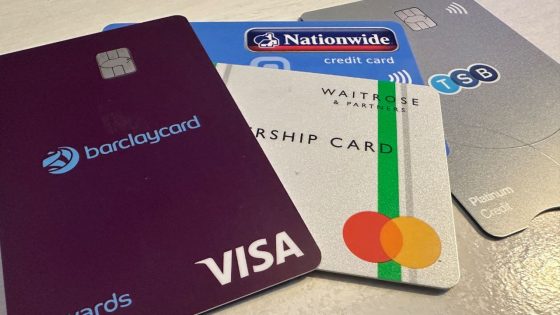
Finally, almost every penny you spend can be making you money. Cashback and reward debit and credit cards are the easiest, and there are fee-free ones for overseas spending too.
Then there are cashback sites, cashback on gift cards for groceries and cashback on core bills on top.