




Everything you need to know about the Government’s changes to tax and spending
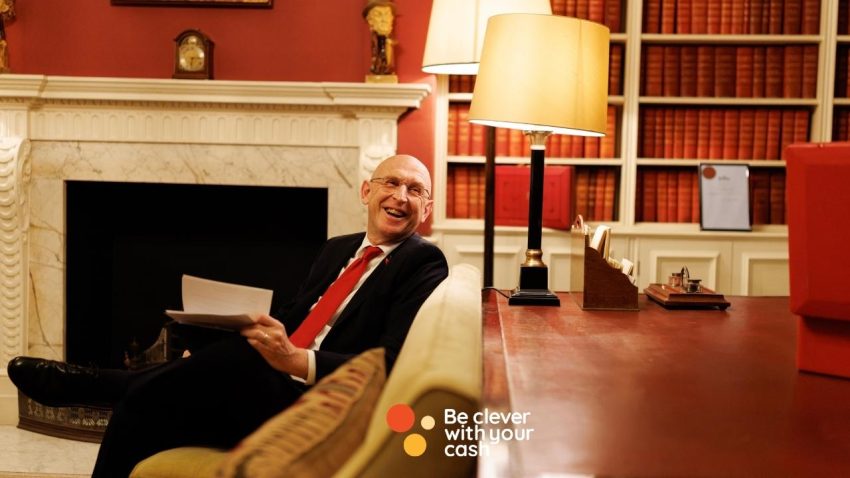
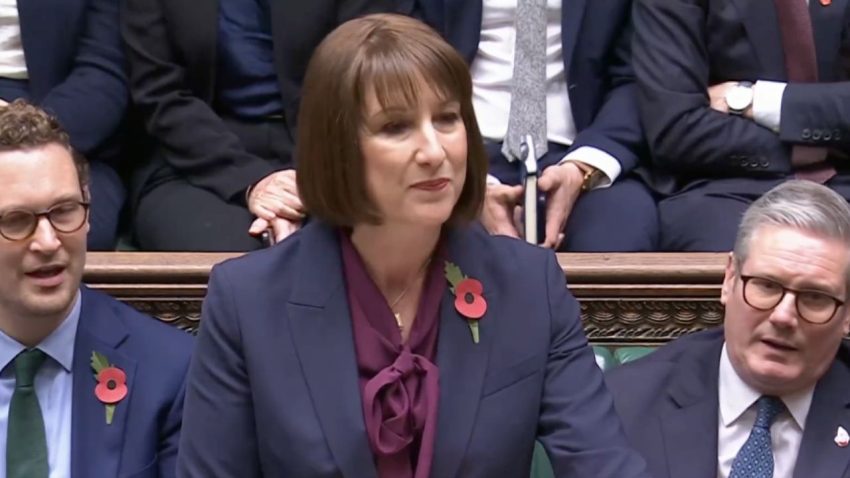
Chancellor John Healey has delivered his first Budget speech, promising to “make a difference” to the lives of ordinary families.
In it he announced new plans for energy bills, increases to the state pension and minimum wage, cuts to import taxes on household essentials and ISA changes.
We round up what it all means to your personal finances:
Some articles on the site contain affiliate links, which provide a small commission to help fund our work. However, they won’t affect the price you pay or our editorial independence. Read more here.
Savings
ISA allowances – £20,000 limit on Cash to be kept
The planned cut to the Cash ISA allowance will not go ahead.
The Chancellor said “the limit will stay at £20,000 a year, tax free, for people of all ages”.
Previously, as announced in the 2025 Budget, that allowance was set to be cut to £12,000 from April for anyone aged under 65.
More income tax on savings outside ISAs
Last Budget the Government announced that income tax would rise on earning from savings by two percentage points. This time around they’ve gone further – adding an extra two percentage points.
It means that from April 2027, savers who are basic rate taxpayers will pay 24% income tax on interest, up from 20% now.
Higher rate tax-payers will be hit by 44% tax on their savings interest, while additional-rate taxpayers will be taxed at 49%.
Of course, money held in an ISA won’t be taxed at all, while the first £1,000 interest you earn outside of that is protected from tax by the Personal Savings Allowance for basic rate taxpayers. The tax-free savings allowance drops to £500 for higher rate taxpayers and disappears entirely for additional rate taxpayers.
New First Time Buyer ISA
A new First Time Buyer ISA is coming from April 2029.
It will allow contributions of up to £4,000 a year with a 25% Government bonus paid when funds are withdrawn for a qualifying first home purchase.
The new product will have no upper age restriction, but keep the £450,000 house price limit to get the bonus when withdrawing funds.
We’ve got a full breakdown of the new First Time Buyers ISA if you want to see how it compares.
Lifetime ISA change
From 29 October 2026 there will be no penalty for using your Lifetime ISA savings to buy a home worth more than £450,000.
Instead, using that money to help buy a first home will have a withdrawal charge of 20%, rather than 25% as it is now.
New starter ISA for people investing for the first time
The Chancellor said he would be working with the industry to put a plan together for a new sort of ISA aimed at getting people investing for the first time.
Get the best of our money saving content every week, straight to your inbox
Plus, new TopCashback customers get a high paying £18 welcome offer

Property
Your First Home scheme
There were new details about the Your First Home scheme. This will offer first-time buyers in England with a deposit between 2.5% and 15% an extra 20% Government-backed equity loan.
The 20% loan will have an initial five-year interest-free period.
The scheme will be available for pre-registration by the end of December 2026 and full applications from February 2027 with the first loans issued from April 2027.
You can only apply if your income is £110,000 per household outside London and £140,000 inside London.
Price caps will be set based on your local authority average prices, with inner and outer London caps of £650,000 and £500,000 respectively.
Pensions
Income tax on State pensions
People on the new state pension will not pay income tax on that amount.
The Government is introducing a Pension Tax Allowance from April 2027, that means pensioners with incomes at or under the value of the full new state pension will not be brought into paying tax as a result of state pension rises.
State pension rise
The state pension will rise 3.9% from April.
That will take people receiving the full, new state pension from £12,547 to £13,036 a year.
Wages and earnings
Minimum Wage rise
National living wage and national minimum wage to rise by 3.9% for 2.3 million workers.
That will see the National Living Wage rise from £12.71 an hour to £13.20 an hour for over-21s from April 2027.
Self-employed dads get access to parental pay
Parental will be extended to more than 150,000 more people a year, including self-employed dads and partners who previously missed out.
This offers eligible parents two weeks of support worth up to £194 a week.
Carer’s allowance
The Government will put an end to the Carer’s Allowance cliff edge, so unpaid carers no longer lose their entire allowance simply for earning a penny over the Weekly Earnings Limit, equivalent to 16 hours of the National Living Wage. Instead, only £1 of support will taper away for every additional £1 earned.
 Featured deal

 Customer rating
4.7/5
- Offerup to £300 in free shares*
- Annual fee£0
- Trading fee£0
- Minimum deposit£0
- FSCS Protected? Yes
- Transfer in existing ISA? Yes
- Interest on uninvested cash 3.75%
- Fractional shares No
- Flexible ISA Yes
- Foreign exchange fee 0.70%
- Fund fees If you invest in funds, you'll have to pay fund fees depending on the funds you choose
- Authorised and regulated by the Financial Conduct Authority Yes: FRN 944492
- Risk warning Capital at risk. The value of investments can go down as well as up.
- Offer Invest a minimum of £300 and get up to £300 in free shares. T&Cs apply. Other fees may apply.
Energy bills
Scrapping standing charges on gas bills
Millions of homes will no longer pay standing charges on their gas bills as a result of the Budget.
Standing charges are the fixed daily fee added on top of a household gas bill, no matter how much gas you actually used. It costs £108 a year for a typical household.
These are set to be removed in 2027 or as soon as possible after.
Instead, there will be an increase in how much you will be charged per unit of energy used, which the Government calculates could save 60% of people money – averaging at £45 off their annual bills.
For those set to lose out, the Government plans to offer targeted help.
Similar plans are set to follow on electricity bills.
Energy bill help for households
First, the Chancellor extended the energy bill VAT cut to July, seeing a £50 saving on a typical bill.
He also announced a £100 payment this winter for people living in council tax bands A-D.
The payment will be made directly into bank accounts.
Tax rates changes
Lower import taxes on household staples
The Chancellor is removing import tariffs on more than 100 products — estimated to cut food bills by £21 a year.
Products included in the cuts are baked beans, chocolate, gherkins, citrus jams, marmalades and pastes, throat pastilles and cough drops, boiled sweets, toffees, caramels and similar sweets, plant-based beverages like soya, nut, cereal or seed milks, chocolate-coated waffles and wafers.
There are also cuts for fertiliser and kerosene heating oil.
Big increase to tax-free mileage rates
About three million people are set to benefit from higher tax-free mileage rates.
Employees and self-employed people will keep the 55p a mile tax-free for the first 10,000 business miles they drive each year under the new plans.
The Government is now expanding this so people who drive more than 10,000 miles get an increase in the mileage rate from from 25p to 35p.
These changes are calculated to add £120 a year more in tax savings for a worker doing 6,000 business miles, while someone driving 15,000 business miles gets up to £300 in additional tax savings.
Raising taxes on gambling
Duty is going from 20% to 25% on higher stakes gambling machines. That means machines with a maximum stake above £1 or a maximum prize above £100.
Rates for lower stake machines remain unchanged.