


Who’ll be better or worse off after the Budget announcement?
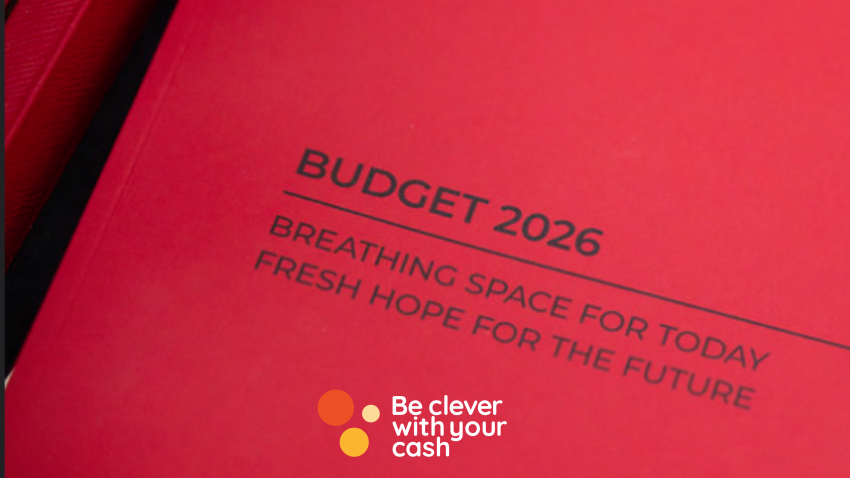
It was the first Budget delivered by Labour’s new Chancellor of the Exchequer, John Healey. He promised ‘breathing space’ for millions of families – but who will benefit and who won’t?
Below I’ll explain who the winners and losers are based on his announcement.
Some articles on the site contain affiliate links, which provide a small commission to help fund our work. However, they won’t affect the price you pay or our editorial independence. Read more here.
Winners
ISA savers
We were all disappointed when Rachel Reeves announced she’d be cutting the cash ISA allowance for under-65s from £20,000 to £12,000 in last year’s Budget — but the good news is that this is no longer going ahead in April.
Households in council tax band A-D
If you live in one of the 20 million homes in these council tax areas in England you’ll get an £100 payment directly into your bank account from January 2027 as part of the £2.6m Household Energy Payment. Scotland, Wales and Northern Ireland will have their own scheme.
Get the best of our money saving content every week, straight to your inbox
Plus, new TopCashback customers get a high paying £18 welcome offer

First time buyers
After the Help to Buy ISA ended to new savers in November 2019, we’ve been waiting for something to replace it. The Chancellor’s announced a new First Time Buyer ISA that will be available from April 2029. You’ll be able to pay in up to £4,000 a year, and you’ll get a 25% bonus paid when funds are withdrawn to buy your first home, if it meets the criteria.
The good news is the new account will have no upper age restriction but you’ll still be limited to buying a property up to £450,000 to get the bonus.
Lifetime ISAs are also changing. Currently, if you want to buy a house worth more than £450,000, you have to pay a 25% penalty fee. This is being reduced to 20%.
And a new scheme has also been announced which offers first-time buyers a 20% equity loan on a new build home with a 2.5% deposit.
Self-employed dads and same-sex partners
If you’re self-employed you’re not entitled to Statutory Parental Pay (SPP). But as announced in today’s Budget, Parental leave will now be offered to 150,000 more people a year, including self-employed dads and partners who previously missed out, which is worth £194 a week for two weeks.
Bill payers
Andy Burnham announced he was scrapping VAT on electricity in the summer saving the average household £45. The Government has now pledged to extend this from March 2027 until July 2027 which it says will save households £50 compared to the energy price cap.
Standing charges on gas, which cost households over £100 a year regardless of how much gas you use, are also being removed from household bills. These charges will instead be shifted onto the unit price – so they’re not being removed completely. So bearing this in mind, if you live in a larger home, this could mean you pay more.
And if you’re in charge of the food shop, the Chancellor is removing import tariffs on more than 100 products — including baked beans, chocolate and marmalades. This is estimated to cut food bills by £21 a year. It’s not a huge amount (and the products included are pretty niche), but it’s something.
Online sellers and side-hustlers
The Government’s set to increase the Trading Allowance, which currently allows you to earn £1,000 a year tax-free, to £3,000 from 6 April 2027. This allowance includes side-hustles, like selling items online or Zoe’s cat-sitting.
Motorists
The 5p fuel duty cut and freeze is being extended for a further six months to 1 July 2027.
In addition, employees and self-employed will keep the 55p a mile tax-free for the first 10,000 business miles they drive each year under the new plans.
Carers
Unpaid carers will no longer lose their entire allowance if they go a penny over the Weekly Earnings Limit, equivalent to 16 hours of the National Living Wage. Instead, only £1 of support will taper away for every additional £1 earned.
Busy online shoppers
Plans were announced to roll out hundreds more Post Office drop boxes, bringing the total to 1,000, to help people to send and return parcels without having to queue at a Post Office counter.
Losers
Savers and landlords
The Government’s adding an extra two percentage points of income tax to property and savings income taking the basic rate from 22% to 24%. The higher rate will be 44% and the additional rate will be 49%.
If you earn £5,000 of savings interest above your tax-free allowances, the new rate will mean you pay an extra £200 a year.
These new rates will apply from 6 April 2027.
Taxpayers
There was no mention of reviewing the current income tax thresholds in this year’s Autumn Budget, which have been kept the same for almost 10 years. It means that many people will end up being pulled up into higher-rate tax brackets, as wages increase, and therefore paying more tax. This is known as ‘fiscal drag’, which Andy and I have spoken about before.
Electric car owners
A new Electric Vehicle Excise Duty (eVED) was announced in last year’s Budget of a 3p a mile tax being added for drivers of electric cars, while drivers of hybrid vehicles will see a 1.5p a mile tax applied. This has been confirmed to be going ahead from April 2028.
Other details have now been released including the launch of a mileage estimation tool and the development of an automated refunds model by 2030.
Gamblers
The rate of Machine Games Duty will increase from 20% to 25% on machine games with stakes over £1 from April 2027. These new higher rates could be passed onto these types of gamblers.
Drinkers
Alcohol duty will go up by 3.9%, or an extra 2p on a pint, 10p-12p on a bottle of wine and 35p on a bottle of gin.
Well-off tax dodgers
New powers have been announced to pull taxes straight out of people’s bank accounts, without having to go through the courts, when they can afford to pay them.
It starts in July 2029 for VAT and PAYE debts, April 2030 for Self Assessment and Simple Assessment debts, and April 2031 for Corporation Tax debts.
The Government reckons within five years it will be clawing back an extra £320 million worth of unpaid taxes each year.