
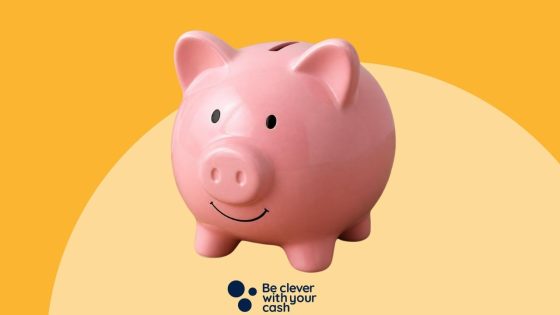

If you’ve set aside money for your business, you may need a business savings account
Your business savings aren’t going to make any interest in a regular business current account, so it’s worth having a business savings account to allow it to earn interest. Here are some of the benefits, whether you need one and how to compare them.
Some articles on the site contain affiliate links, which provide a small commission to help fund our work. However, they won’t affect the price you pay or our editorial independence. Read more here.
What are business savings accounts?
If you have a limited company with savings, whether it’s set aside for future growth, money set away for emergencies or a portion of your earnings set aside to pay income tax with, then you can benefit from sticking the money into a business savings account.
These are pretty much the same as personal savings accounts, but because owners of registered limited companies need to keep their business money separate from their own money, these are accounts specifically designed for businesses to earn interest on their savings.
Most business current accounts don’t pay interest on your balance, so a business savings account would allow you to earn interest on extra money in the business.
Can a sole-trader have a business savings account?
You can have a business savings account as a sole trader if you want to, but it’s not a legal requirement. You can also make use of standard savings accounts, which mostly have better interest rates, so it’s worth comparing these beforehand to get the best interest rate on your savings.
Get the best of our money saving content every week, straight to your inbox
Plus, new TopCashback customers get a high paying £18 welcome offer
Types of business savings accounts
As with personal savings accounts, there are a few different types of account available. They’ll either have a variable or a fixed rate of interest. Variable interest rates are ones that might change, so you’ll want to stay on top of interest rate rises and reductions.
Fixed rate savings accounts will have a set interest rate for a set period of time. For example, you may have an account that pays 5% fixed interest over 12 months – this rate won’t drop during this time, however you won’t be able to access the money until the fix ends..
Easy access
Easy access savings accounts are ones where you can withdraw money whenever you need it. There aren’t any restrictions to the amount of times you can make withdrawals, however sometimes the rate will only be paid if the balance is over a certain amount.
Limited access
These accounts are similar to easy access accounts, except there’s a limit to the number of times you can make withdrawals per year before the interest rate will drop.
 Featured deal

 Customer rating
4.7/5
Customer rating
4.7/5
- Offerup to £300 in free shares*
- Annual fee£0
- Trading fee£0
- Minimum deposit£0
- FSCS Protected? Yes
- Transfer in existing ISA? Yes
- Interest on uninvested cash 3.75%
- Fractional shares No
- Flexible ISA Yes
- Foreign exchange fee 0.70%
- Fund fees If you invest in funds, you'll have to pay fund fees depending on the funds you choose
- Authorised and regulated by the Financial Conduct Authority Yes: FRN 944492
- Risk warning Capital at risk. The value of investments can go down as well as up.
- Offer Invest a minimum of £300 and get up to £300 in free shares. T&Cs apply. Other fees may apply.
Notice
With notice savings accounts, you have to notify the savings provider that you’d like to make a withdrawal and they’ll release the money to you in a set time period. For example, with a 90-day notice account, you tell them 90 days prior that you’d like to withdraw. This can be handy for when you’ve got a sum of money set aside for a specific purpose as you can time it to be withdrawn when you’ll need it.
Fixed rate
A fixed rate account pays a set amount for a set period of time, but the money is locked-in for that term. So a 12 month fixed rate will pay the rate for the full year, then you’ll get back your savings at the end with the interest you earned on it.
Tax on savings interest
If you’re a sole-trader, your savings interest will be taxed in the same way as your personal savings. If you have a limited company then your interest earned on business savings will be considered as profit made by the business and therefore you may need to pay corporation tax on it.

Top tip: earn interest on money for tax bills
Whether you’re a sole trader or a limited company, you’ll be paying any tax owed to HMRC in the January following the end of the previous financial year.
Ideally you’ll have kept this money separate so you have it there when you need to pay it, and it makes sense to put this into a separate account and earn interest.
Consider using a fixed rate or notice account for this if the interest rate is higher than an easy access – just remember to give notice so it’s available to access in January.
The best business credit cards
Find out which cards will earn you cashback on your business spending