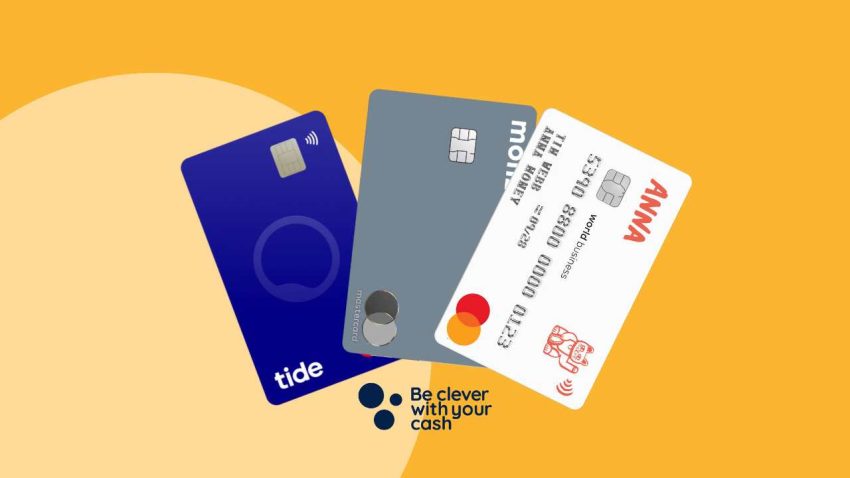

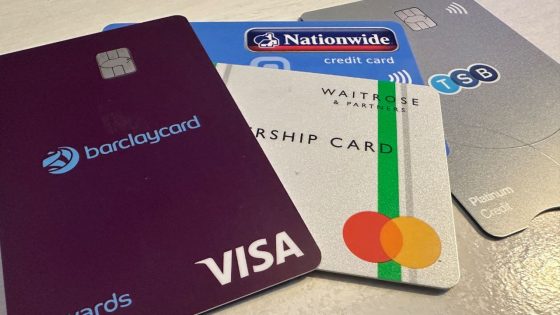






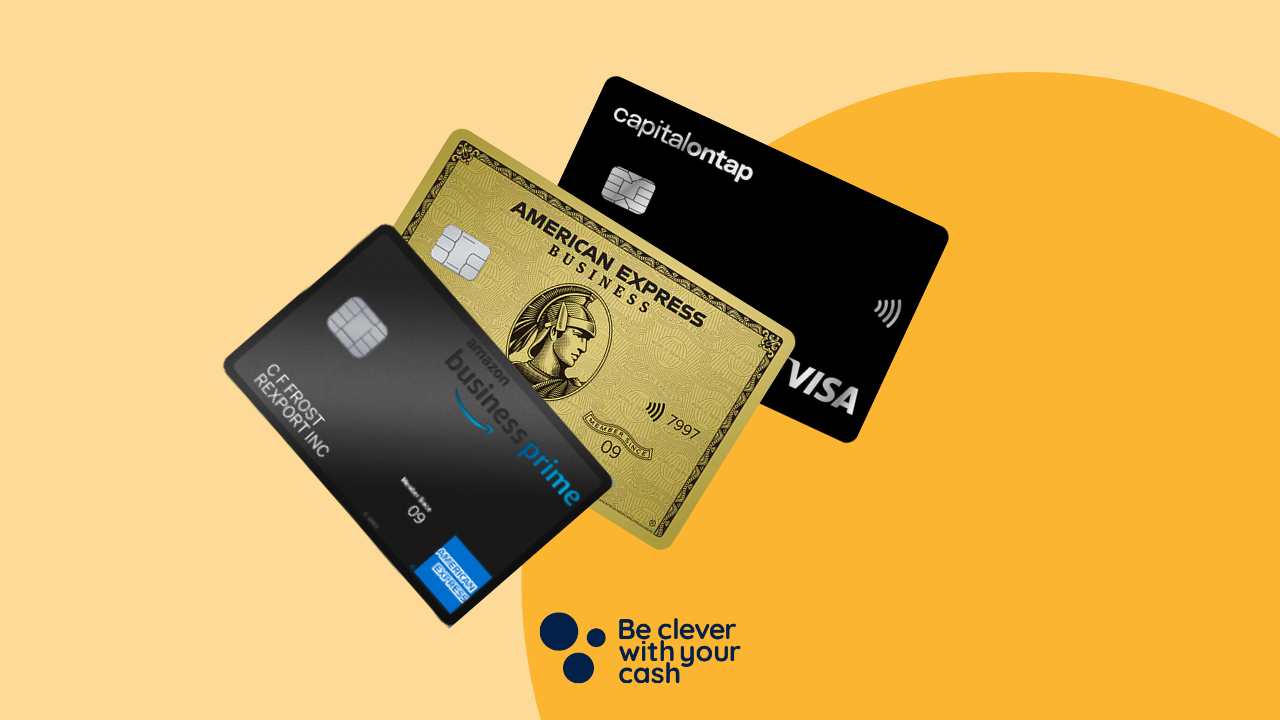
Business credit cards allow you to earn rewards and cashback on your spending
Business credit cards can be great for business spending as you can earn rewards and cashback on your business expenses. Here’s how they work, how to compare them and what makes them different to personal credit cards.
Some articles on the site contain affiliate links, which provide a small commission to help fund our work. However, they won’t affect the price you pay or our editorial independence. Read more here.
What is a business credit card?
A business credit card is similar to a personal credit card, however, it’s got additional features tailored more for business spending, such as integration with accounting software and the ability to add additional cards for employees. Plus, you can earn rewards and cashback.
The credit card would be associated with your business rather than yourself if you have a limited company, as it’s a legal entity, however your credit report may be used to determine if you’re eligible, especially if your business has a thin credit file.
If you’re a sole trader, it’d be considered to be additional credit that you’ve personally taken on, and an application would use your personal credit file. Sole traders don’t have to have a specific business credit card and can instead use a personal credit card, which may have better benefits or lower costs.
Get the best of our money saving content every week, straight to your inbox
Plus, new TopCashback customers get a high paying £18 welcome offer

What are the benefits of a business credit card?
A business credit card can be useful for several reasons, and some will have more advantages than others.
Cashflow
You can use a business credit card to help manage cashflow, as you often get 40-60 interest-free days to pay your balance, although you’d incur interest after this. This means that you can cover all your expenses in one credit card payment rather than spread over the month.
Earn rewards and cashback
Lots of credit card providers offer rewards and cashback on your business spending. This can get you a percentage back, which can be beneficial if your business naturally has a lot of expenses. There’s more likely to be a fee with these credit cards, so it’s worth calculating how much you think you’d earn to make sure it doesn’t cost you more than you’d earn.
Additional cards
You can often get additional cards for your employees, usually at no extra cost. How these work depends on your credit card provider. Some providers let you split your credit limit between all the cardholders or choose limits for each cardholder, while others let you share the full credit limit.
You can track the spending of each individual cardholder, too, making expenses easier and keeping everything organised.
 Featured deal

 Customer rating
4.7/5
Customer rating
4.7/5
- Offerup to £300 in free shares*
- Annual fee£0
- Trading fee£0
- Minimum deposit£0
- FSCS Protected? Yes
- Transfer in existing ISA? Yes
- Interest on uninvested cash 3.75%
- Fractional shares No
- Flexible ISA Yes
- Foreign exchange fee 0.70%
- Fund fees If you invest in funds, you'll have to pay fund fees depending on the funds you choose
- Authorised and regulated by the Financial Conduct Authority Yes: FRN 944492
- Risk warning Capital at risk. The value of investments can go down as well as up.
- Offer Invest a minimum of £300 and get up to £300 in free shares. T&Cs apply. Other fees may apply.
Business credit cards vs business charge cards
Some of the cards you’ll come across are charge cards and therefore won’t have an advertised interest rate. These aren’t technically credit cards as you have to pay the full balance every month, while credit cards would allow you to carry over your balance and accumulate interest. Be careful which one you choose, as a credit card could make you rack up debt, however, a charge card may charge you fees if you don’t repay the full balance within the set time provided.
Business credit card fees
The fees for a business credit card are typically annual. A lot of providers offer the first year free, then charge from the second year. The fees are up to £50 annually for basic business credit cards then as high as £195 to £650 per year for ones with more rewards or cashback.
When doing your self assessment for taxes, your business credit card fees can be expensed, so the amount will come off your profits when calculating how much tax you pay.
How to apply for a business credit card
Once you’ve compared business credit cards and found one that suits your business type, you can head to the website of the provider to check that you’re eligible for the card. To apply, you’ll likely need the following:
- Yours and any business partner details
- Proof of identity
- Proof of address
- Tax information – such as your unique tax reference
- Business name
- Business start date
- Business address
- Details of business bank account
- What your business does
- How many employees you have
- Expected turnover and spending
The best business credit cards
Find out which cards will earn you cashback on your business spending