


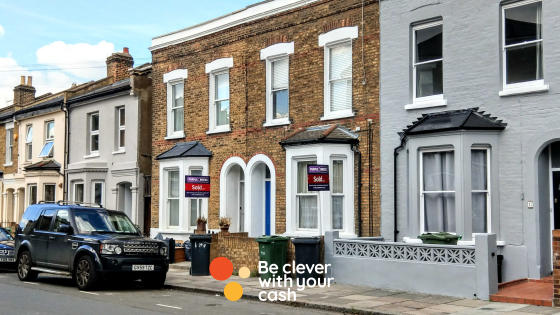






People looking to buy their first home could do so with a deposit worth just 2.5% of the property value under a new Government plan
The first details of the new Your First Home scheme were announced late last month, with more information arriving in John Healey’s Budget.
We break down who can apply for it, what you get and whether it’s a good idea or not.
Some articles on the site contain affiliate links, which provide a small commission to help fund our work. However, they won’t affect the price you pay or our editorial independence. Read more here.
What is the Your First Home scheme?
The Your First Home scheme offers people with a deposit between 2.5% and 15% an extra 20% Government-backed equity loan.
The scheme offers the 20% loan with an initial interest-free period of five years.
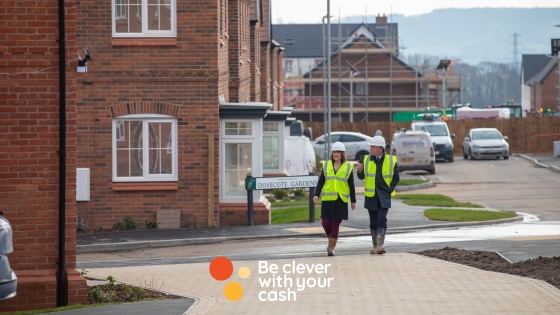
It’s designed for first-time buyers in England, who are looking at new-build homes. You also need to buy from a developer who’s signed-up to be part of the scheme.
The scheme will be available for pre-registration by the end of December 2026 and full applications from February 2027 with the first loans issued from April 2027.
Who can apply for the Your First Home scheme?
To apply for the scheme you need to:
- Be a first-time buyer
- Buy a new-build home from a developer that has signed up to it
- Be buying in England
- Earn no more than £110,000 if you live outside London and £140,000 in London
- Buy a home worth no more than the median price of a property in your local area
What will the local house price limits look like?
The Government has published a few examples, but not the full list yet. These are:
- Reading – £375,000
- North Devon – £320,000
- Manchester – £355,000
- Middlesbrough – £220,000
- Inner London – £650,000
- Outer London – £500,000
How much interest will be charged on your 20% Government loan?
We still don’t have details on how the interest will be collected, but we do know how much will be charged.
Here are the rates:
| Period | Interest rate |
|---|---|
| Years 1 to 5 | 0% |
| Year 6 | 1.5% |
| From year 7 | 3% |
Get everything you need to know before you buy your first home sent straight to your inbox
Sign up now to find out how to buy your first home

What existing help is there for first-time buyers
There are three main schemes to help people get onto the property ladder currently active in the UK.
Some of these you might be able to use in combination with the new Your First Home scheme or one another.
These schemes are:
Lifetime ISAs
Lifetime ISAs are a savings product that adds up to £1,000 a year to your savings as long as you use that money to buy your first home, or after you turn 60.
You can use these to save up for a deposit and then combine them with many of the other schemes mentioned below.
Interest earned in the scheme is tax-free, and 25% is added to money you save in them.
But you can only save £4,000 a year into them, per person, and are only able to open one if you’re between 18 and 39 years old.
There’s also a limit of £450,000 on the value of a home you can buy and still get the bonus cash. If you buy a home worth more than £450,000 with a LISA, you won’t get the bonus cash, but a smaller withdrawal penalty of 20% will apply instead.
Lifetime ISAs are set to be replaced in April 2029, but currently still operating and available to open.
We’ve got a full guide to how Lifetime ISAs work if you want to learn more, we also have a list of the top-paying Lifetime ISAs right now.
Shared ownership schemes
These schemes let you buy between 25% and 75% of a home, paying a deposit based on that amount, then rent the rest from a housing association.
You pay rent on the amount you don’t own each month, on top of a mortgage on the bit you do own, and over time you can buy more of the home itself.
To qualify for Shared Ownership, you usually need to be 18 years old or older; have a household income under £80,000 (or £90,000 in London); show you can’t afford to buy outright and have a deposit of 5% to 10% of your share of the full value.
You also need a good credit rating and no outstanding debt.
You can see if you’re eligible on gov.uk, then search for a suitable home using a Shared Ownership provider in your area. You can reserve a home by paying a small fee, which is taken off the final purchase price if you go ahead.
Mortgage guarantee scheme
The Mortgage Guarantee Scheme helps first-time buyers get a home with a 5% deposit. The Government acts as a guarantor for part of the mortgage to encourage lenders to offer them to more people.
To access the scheme you need to have a deposit between 5% and 9% of the property value, look to buy something worth no more than £600,000, prove the property will be your main home and pass the lender’s affordability checks.
Not every lender is part of this scheme, so you’ll need to check your mortgage provider is signed up.

Try our mortgage calculator
Our mortgage calculator helps simplify things by giving you an idea of how much you could borrow and your likely monthly repayments.
Regional schemes to help you buy your first home
As well as the three national schemes, there are also English, Scottish, Welsh and Northern Irish schemes in place.
These are:
First Homes scheme (England only)
The First Homes scheme offers a discount of between 30% and 50% of the property’s market value.
The discount applies when you sell, as well as when you buy, to keep the homes affordable for the next people trying to get on the property ladder.
That means you can access the scheme for new homes and some resales if they were bought using First Homes.
The eligibility requirements are rather strict, however.
To access it you need to be a first-time buyer, over 18, earn no more than £80,000 a year (or £90,000 in London) and have a mortgage for at least 50% of the discounted price,.
There’s also a price limit of £250,000 on the home (£420,000 in London) – although this is after the discount has been applied.
Local authorities can also set their own eligibility criteria – from lower price caps, prioritising discounts to key workers or people on lower incomes. If you’re a member of the armed forces, divorced from a member of the armed forces or a widow or widower of a member of the armed forces you do not need to be a local or key worker to meet the requirements.
These local eligibility criteria only apply for the first three months of the property going on sale, but high demand means many homes are snapped up in that time.
 Featured deal

 Customer rating
4.7/5
- Offerup to £300 in free shares*
- Annual fee£0
- Trading fee£0
- Minimum deposit£0
- FSCS Protected? Yes
- Transfer in existing ISA? Yes
- Interest on uninvested cash 3.75%
- Fractional shares No
- Flexible ISA Yes
- Foreign exchange fee 0.70%
- Fund fees If you invest in funds, you'll have to pay fund fees depending on the funds you choose
- Authorised and regulated by the Financial Conduct Authority Yes: FRN 944492
- Risk warning Capital at risk. The value of investments can go down as well as up.
- Offer Invest a minimum of £300 and get up to £300 in free shares. T&Cs apply. Other fees may apply.
Low-cost Initiative for First-Time Buyers (Scotland only)
There are two versions Low-cost Initiative for First Time Buyers (LIFT).
The first is called Open Market Shared Equity – for homes bought from the market normally.
The second is called New Supply Shared Equity and is for people on low or medium incomes buy a new-build home from councils and housing associations.
With New Supply Shared Equity you buy the majority of a property, typically between 60% and 80%, and the Scottish Government covers the rest using a shared equity agreement.
With Open Market Shared Equity, you buy between 60% and 90% of the home’s value, and the Government covers the rest.
There’s no interest or rent due on the portion the Government owns, instead it takes back that percentage of the home’s value when it’s sold.
Like with Shared Ownership, you can increase the share you own by at least 5% each year.
To access the scheme you need to show that you can’t buy a new build house that suits your needs without getting help, and pass an income assessment (although these vary locally, so have no absolute maximum or minimum values).
There’s a full breakdown of the scheme on the Scottish Government website.
Help to buy (Wales only)
Under this scheme you put down a 5% deposit on a new build home in Wales, and the Welsh Government offers up to 20% of the property value as an equity loan. You cover the rest with a mortgage.
To qualify you typically need the home to cost £300,000 or less and to prove it will be your main residence.
Co-ownership scheme (Northern Ireland only)
The Co-ownership scheme lets first-time buyers in Northern Ireland purchase between 50% and 90% of a home, and rent the remainder.
To qualify you typically need to be a Northern Ireland resident who does not own a home and have three months of bank statements without unauthorised overdrafts, returned Direct Debits or bank charges for unauthorised usage. You also need to have been employed for at least six months or have proof of income for two years if you’re self employed.
Should you use the Your First Home scheme
If you’re buying a new-build in England as your first home it’s definitely worth looking into.
Getting 20% of the value of your home interest-free for five years could save you hundreds of pounds on your mortgage. It could also mean you qualify for a cheaper mortgage rate than you would have otherwise.
It potentially will let you buy sooner too, with just a 2.5% deposit on a property needed.
But there are problems here as well.
Firstly, new-builds often cost more than traditional homes.
Secondly, you’re restricted to buying a new-build from a developer that’s signed up to the scheme — which will heavily limit your options.
Thirdly, 20% of your home will be owned by the Government, and it’s not entirely clear at the moment how you can clear that before you sell the property. Meaning you’ll lose 20% of the sale price if you need to move house.
Finally, after five years your bills will go up. The rates look low – starting at 1.5% and then rising to 3% – but we don’t have details yet on how it will be collected or what the consequences of missing payments will be.
Overall, this is an interesting idea that could save first-time buyers money or let them get on the property ladder sooner, but tread very carefully before going ahead with it.

Compare mortgage rates and deals
Looking for a mortgage? Find the top rates from over 200,000 deals and 100+ lenders with our live tables.