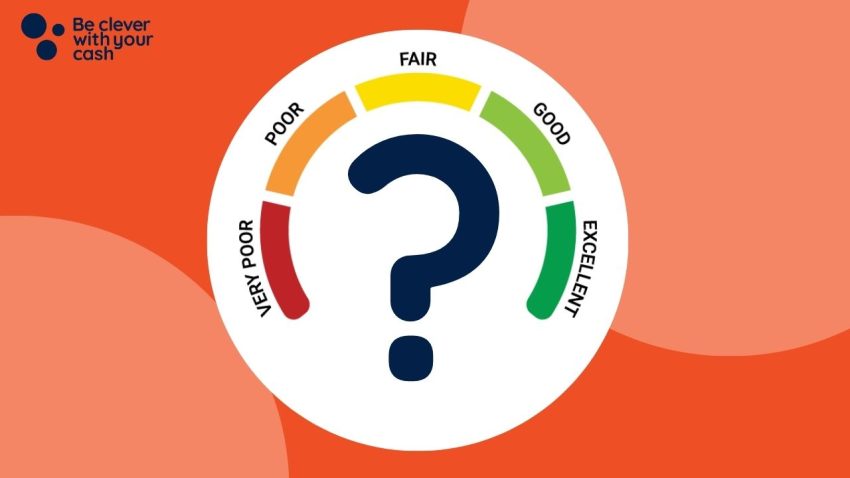









Your credit score is a single number that summarises how safe you are to lend money to – and it’s checked by everyone from mortgage lenders to mobile phone networks before they offer you a deal. This is how it’s worked out
Everyone over the age of 18 in the UK has a credit score. In fact, they all have three – one from each of the UK’s credit reference agencies.
This score is a summary of how reliable you’ve been to lend money to in the past, and a series of other factors that make you either a good, or bad, prospect when it comes to paying bills on time.
But the exact recipe of what makes it up, and what you can do if you want to boost yours, is a lot more mysterious.
Here, we explain how different actions can see your credit score rise and fall.
Some articles on the site contain affiliate links, which provide a small commission to help fund our work. However, they won’t affect the price you pay or our editorial independence. Read more here.
What is a credit score?
Effectively a credit score is a summary of your history with money. More specifically, your history with paying for things.
It doesn’t include your salary, savings, assets or investments, and the only bit of your current account it includes is your overdraft.
However, all the rest of your financial activities – from your credit card to mortgage payments, energy bills, broadband and mobile deals are included.
On top of that, there are sections on other public records including whether you’re registered to vote and if you’ve been declared bankrupt in the past few years.
All of that information is compiled into one report by a credit reference agency – and they look at it all and give you a score as a summary of how well (or badly) you’re doing.
Do you have more than one credit score?
You have one score for each of the UK’s credit reference agencies – and there are three of those.
More than that, they don’t score on the same scale – so you might have a number hundreds of points lower with one than the other.
Here are what each of the agencies score you out of (maximum score) and what’s considered a bad, good and excellent score with each.
| Agency | Bad score | Fair score | Good score | Excellent score | Max score |
| Experian | 0-640 | 641-860 | 861-1,120 | 1,121 up | 1,250 |
| Equifax | 0-438 | 439-530 | 531-810 | 811 up | 1,000 |
| TransUnion | 0-550 | 551-565 | 566-627 | 628 up | 710 |
What affects your credit score?
More or less every bill you pay can have an impact on your score, but that’s far from the only thing that affects it. Here’s a quick summary of what pushes your score up and down:
What negatively affects your credit score?
- Missing a scheduled payment
- Being late with a scheduled payment
- Defaulting on a debt
- Being declared bankrupt or insolvent or having a county court judgement against you
- Applying for lots of new loans or cards in a short space of time
- Being too close to your credit limits
- Having no history of regularly paying bills back on time
- Being financially associated (ie having a joint account) with someone who’s got a bad score
What positively affects your credit score?
- Paying bills on time
- Keeping your credit utilisation (how much of your overdraft and credit cards you use) low
- Being registered to vote at your current address
- Having at least one open account that’s a few years old
- Having a mortgage in your name
- Having a sizeable total credit limit (across all your cards and bank accounts)
 Featured deal

 Customer rating
4.7/5
Customer rating
4.7/5
- Offerup to £300 in free shares*
- Annual fee£0
- Trading fee£0
- Minimum deposit£0
- FSCS Protected? Yes
- Transfer in existing ISA? Yes
- Interest on uninvested cash 3.75%
- Fractional shares No
- Flexible ISA Yes
- Foreign exchange fee 0.70%
- Fund fees If you invest in funds, you'll have to pay fund fees depending on the funds you choose
- Authorised and regulated by the Financial Conduct Authority Yes: FRN 944492
- Risk warning Capital at risk. The value of investments can go down as well as up.
- Offer Invest a minimum of £300 and get up to £300 in free shares. T&Cs apply. Other fees may apply.
What does not affect your credit score?
Credit reports don’t include everything – and past mistakes don’t stay around forever either.
Here are some of the things that won’t impact your credit score:
- Your savings
- Your positive current account balances or what you spend the money on
- Student loans
- Council tax records of payments or arrears
- People who used to live at your address
- People you live with or family members (as long as there are no joint accounts with both your names on them)
- Things that are more than six years old
- Checking your score or running a “soft search” for a credit product
- Your salary
- Non-financial crimes (basically only fraud or county court judgements about payments count)
- Personal information outside of your name and address
- Medical history
How can you check your credit score?
The good news is that you have a legal right to see your credit report (that holds true for any information any UK company is holding on you).
Agencies can’t even charge you for access to it – they make their money from lenders and other companies checking to see how good a prospect you are, not by charging people to see their own scores.
However, if you want more than just the raw information – for example some tips on things you can do to improve or offers you’re likely to be accepted for – you might be charged a fee or have to pay for a subscription.
The good news is there are free-to-use services that offer this information. These include ClearScore and Credit Karma.
If you want to see your report, and it’s worth doing if you’ve never done it before just to check for any mistakes if nothing else, follow the links below:
- See your TransUnion Credit report
- See your Equifax credit report
- See your Experian credit report
How to see what is negatively affecting your credit score
Free to use services including ClearScore and Credit Karma give you a breakdown of your report – what you’re doing well and what you could improve.
ClearScore will give you a personalised AI overview of what’s going well, and what you can do to improve, it uses your Equifax report as a base. Credit Karma lists “build factors” as well what’s going well, it uses your TransUnion report as a base. They also both break these factors down into low, medium and high impact actions.
Experian also has a paid-for service, CreditExpert, that offers tailored tips and guidance – as well as ExperianBoost. ExperianBoost is a free service letting you include things like rent payments, Netflix, Spotify and council tax in your credit score. This can raise your score by 101 points if you’re keeping on top of them.
Get the best of our money saving content every week, straight to your inbox
Plus, new TopCashback customers get a high paying £18 welcome offer

How can you improve your credit score?
There are three basic ways to improve your credit score:
- Check your report for errors and get them corrected
- Register to vote at your current address
- Make credit payments on time and keep doing it
Of course, the third one of these takes patience, and won’t show significant changes fast.
However, there are a few more tricks that sometimes seem counter-intuitive but do genuinely help.
The first is to take out more debt, then not use it. My credit score leapt up when I got a new credit card for spending overseas. That’s because it increased my total available credit, but lowered my credit utilisation (how much of my total debt I was using).
Having a mortgage helps too, and the Experian CreditBoost tool lets you include a bunch of things in your report that are normally excluded but could make you look good (for example making council tax payments on time).
Apart from that, just waiting and not making any more mistakes helps, as negative factors drop off after a set period – although you could be waiting as long as six years in some cases.
Frequently asked questions about factors affecting credit scores
Does Klarna affect your credit score?
Payment holidays and existing, late and unpaid balances on Klarna are visible on your credit file to other lenders. Equally, paying on time consistently can help build a positive credit.
Does Clearpay affect your credit score?
Making payments on time won’t hurt your credit score, but missed payments may be reported to Credit Reference Agencies.
Does PayPal Credit affect your credit score?
Applying for an account is reported to credit agencies the same way applying for a new credit card is. Additionally, missed payments are reported to credit reference agencies and will impact your credit score.
Does betting / gambling affect your credit score?
No. Payments to gambling firms are not something that is reported to credit reference agencies.
However, if you end up in debt as a result of gambling they will see this debt and any missed payments.
Additionally, when applying for a mortgage, lenders check your bank statements as well as your credit file, so frequent or large payments to gambling firms could impact your chances of getting a mortgage.
Does Universal Credit affect your credit score?
No, payments into your bank account aren’t reported to credit reference agencies and your credit file doesn’t include your income.