









Mistakes on your credit file, missed repayments and being in debt can all negatively impact a mortgage application but did you know getting a new job, buying something with Klarna, or online bet can be red flags to mortgage providers too?
Buying a home is a huge financial milestone, yet it can be a long and stressful process, involving a lot of paperwork and admin.
Once you’ve saved enough and you have your finances in place to make a mortgage application, there are still lots of other hoops to jump through until you have the keys in your hand.
Every aspect of your finances will be scrutinised by a mortgage provider, right up until contracts are exchanged. So even after you’ve made your mortgage application it’s crucial to be as careful as possible, as there are lots of seemingly unimportant things you could do to jeopardise your chances.
While every mortgage provider is different – and there are no blanket rules on this – with the help from a mortgage expert at Tembo, we look at the strangest things that could see you getting rejected from a mortgage.
Some articles on the site contain affiliate links, which provide a small commission to help fund our work. However, they won’t affect the price you pay or our editorial independence. Read more here.
1. Using Buy now pay later lenders like Klarna
Paying for things with Buy Now Pay Later (BNPL) can negatively impact your mortgage application. This is because you’re not paying for something outright, but spreading the cost over a certain time period, and this can suggest you’re buying things you can’t easily afford. If you miss a repayment, this could see your mortgage rejected altogether.
2. Betting on the football
If you use online gambling companies, there is a chance this could have an impact on your mortgage application. The odd bet for a small amount of money is unlikely to make a difference but if you’re betting large amounts, even over number of small bets, this could be a red flag to lenders.
It depends on the lender, the amount of money you’re spending, and your overall finances but a lender will want to check if your gambling will affect the way you manage monthly repayments and if it increases the risk of you not paying it back.
3. Taking out a payday loan
You may be rejected altogether from a mainstream mortgage lender if you’ve an outstanding payday loan, or even if you have had one in the last 12 months. This depends on the lender, as they all set their own rules, but generally pay day loans are not liked as they suggest you are struggling financially and unable to manage your money from month to month.
4. Not being on the electoral roll at your current address
It’s easy (and free) to register yourself on the electoral roll at Gov.uk, but if you’ve not done so for your current address this could set you back when you make a mortgage application. Lenders use the electoral roll as one of their fraud checks, so they know you are who you say you are. If you have a different address on the electoral roll, or you’re not on it at all, they will view this negatively.
Get the best of our money saving content every week, straight to your inbox
Plus, new TopCashback customers get a high paying £18 welcome offer

5. A big new purchase
If you’re buying a new house, you’ll probably have a list of items to purchase, such as a new fridge, bed, or TV but if you make a big purchase on credit before you’ve exchanged contracts this could be a red flag to a provider. They will be looking at your finances to see if you’re consistently managing your money well, and not making impulsive or one-off big purchases, especially if this causes your credit balance to jump up suddenly.
6. Living in a flat above a shop
Your new flat might be perfect for you but if it’s above a shop, or a restaurant, this could make mortgage providers wary. There is a higher risk of things like fires if the property underneath you is a restaurant or takeaway shop, and it might be harder to sell because of things like the smell from the cooking, or other issues like rubbish not being taken away or animal infestations. While this doesn’t mean you can’t get a mortgage, and often these properties are cheaper than standard flats and houses, it might be harder as you’ll be seen as a higher risk borrower.
 Featured deal

 Customer rating
4.7/5
Customer rating
4.7/5
- Offerup to £300 in free shares*
- Annual fee£0
- Trading fee£0
- Minimum deposit£0
- FSCS Protected? Yes
- Transfer in existing ISA? Yes
- Interest on uninvested cash 3.75%
- Fractional shares No
- Flexible ISA Yes
- Foreign exchange fee 0.70%
- Fund fees If you invest in funds, you'll have to pay fund fees depending on the funds you choose
- Authorised and regulated by the Financial Conduct Authority Yes: FRN 944492
- Risk warning Capital at risk. The value of investments can go down as well as up.
- Offer Invest a minimum of £300 and get up to £300 in free shares. T&Cs apply. Other fees may apply.
7. A new job
If you get a new job, even one which is higher paid, this is not always a good sign to mortgage lenders. While you might think earning more money would be a good thing, and in most situations it is, this could impact your chances of your mortgage being approved. This is because lenders like to see consistency and job stability, some will only accept mortgage applications from borrowers who have been with the same employer for a set period of time, often up to three years.
8. Generous gifts to family or friends
A large amount of money leaving your account suddenly could worry lenders. This could be a gift to a family member, for example, or a friend. But if your balance suddenly changes dramatically, this is a sign you’re not being consistent with your finances and in some cases it might lead to a mortgage rejection.
9. Not so funny transfer references
If you’re paying a friend back and you put something in the reference box other than your name or what the payment is for, this could be a potential red flag. Using a funny word or anything inappropriate could lead to a lender questioning the payment or delaying your application. As lenders ask for three to six months of bank statements, they will pick up on any ‘hilarious’ references and are unlikely to find them funny.
10. Forgetting to declare childcare commitments
Under declaring (or not declaring at all) your credit commitments, including the money you spend on childcare, can impact your mortgage application. That’s because it impacts your overall affordability if your lender finds out you have less money each month than you’ve said. This also puts you at a higher risk as a lender because you’ve left out payments you regularly make while applying for a mortgage.

Compare mortgage rates and deals
Looking for a mortgage? Find the top rates from over 200,000 deals and 100+ lenders with our live tables.
11. New credit applications
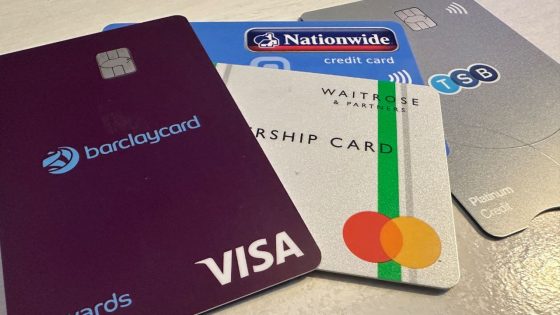
Once you’ve made your mortgage application, if you then take out a new line of credit, a credit card, loan or car finance agreement, for example, this could show as a red flag to your mortgage provider. Lenders like stability and get worried about one-off or sudden changes in your finances. If you take out a new credit card, for example, after you’ve made your application, this might suggest to them you’ve struggling with your regular income and it changes your overall affordability.
12. OnlyFans payments
If you make money on OnlyFans, or you subscribe to a service on it, this may have an impact on your mortgage application in certain situations. If you’re an earner, this depends how much money you make as if you’re self-employed you may need to show your tax returns for the last few years to your lender. If you’re a subscriber it depends how much money you’re spending, if it’s more than you can afford – as with any subscription service – this may be a red flag to a lender.