


From stamps and petrol to council tax and water bills, a lot of prices will rise in April, putting pressure on our finances.
But it’s not all doom and gloom, some people including pensioners and those who receive benefits, will see a boost to their bank balance too.
Here’s everything you need to know about how your money will be impacted, and where possible tips on what you can do to protect yourself from price hikes.
Tax rises
Council Tax
All council tax bills will rise in April, across England, Wales and Scotland. In England councils are allowed to raise bills by up to 4.99% each year and the majority are doing this while some have opted for higher increases, including 8.99% in Somerset and Shropshire.
The average rise in Wales is 4.9% while in Scotland most councils are increasing prices by over 6% including Moray and Aberdeenshire where prices will rise by 10%.
You may be able to save money on your council tax with a discount, from those who live alone to households of students. Challenging your council tax band may also bring down your costs. If you’re struggling to pay, contact your council as it may be able to arrange a lower payment plan.
Car tax
The rate of car tax for petrol, diesel and hybrid cars is rising to £200 in April, for cars registered after 1 April 2017. It will also apply to electric cars which are under a year old.
The ‘luxury car tax’ (or expensive car supplement) which is an additional fee of £425 for high-value cars will also rise to £50,000, from £40,000, for electric cars in April.
Paying annually by direct debit for your car tax usually works out cheaper than monthly installments and switching to a car with lower emissions should result in less car tax to pay.
Dividend tax
The dividend tax rate is rising to 10.75%, from 8.75%, in April for basic-rate taxpayers. For higher-rate tax payers it’s going up to 35.75%, from 33.75%.
This rate is applied to dividends when they’re paid out to investors if they are worth more than the annual allowance of £500.
Moving money into a cash-free ISA is one way to avoid this tax, as money within an ISA is tax free.
Bill rises
Stamps
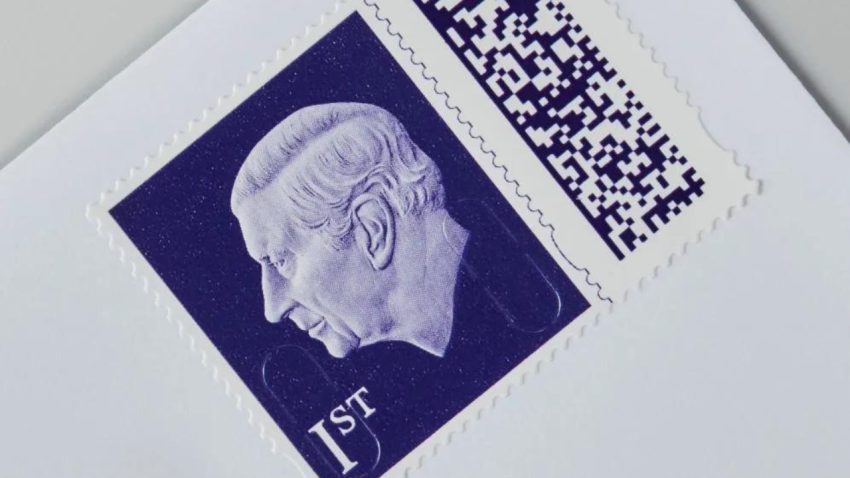
A first-class stamp will cost £1.80 (a rise of 10p) from April 7 while the cost of a second-class stamp is rising 4p to 91p.
Stocking up in advance and switching to second class can cut the price of stamps. It’s also usually cheaper to buy stamps from a Post Office or supermarket as some online retailers sell stamps at a marked-up price.
Water bills
Water bills are rising by 5.4% on average in April, or by £33 a year, in England and Wales. For homes in Scotland bills will go up by 8.7% on average.
However, these are just the average hikes and some households will see prices their bills rise further. Affinity Water customers, for example, will see bills hiked by 13% on average while those with United Utilities will see average hikes of 9%.
Some households will also see hikes below the average, those with Thames Water will see a rise of 0.4%, for example, and those with Wessex Water will see a rise of 3%, according to Water UK.
You can’t switch water companies, but there are other ways to save on your bills. A water meter could cut your bills, for example, and using less water if you have a meter will see your prices fall.
Costs for home workers
A tax relief of £6-per-week, which was available to people who work from home, will be abolished in April.
The relief allowed some employees who had to work from home to claim tax relief on household expenses including energy bills. But the Chancellor Rachel Reeves confirmed in her 2025 Budget that it would be axed. Employers can still offer the relief, but there is no obligation for them to do so.
Air travel
Air passenger duty (APD) is rising in April which is likely to push up the cost of flights. The amount of APD charged depends on the length of a flight. The APD for a Band A flight, for example, of between 0 and 2,000 miles is rising to £15, from £13. For a Band C flight, of over 5,500 miles, it’s rising from £94 to £102.
Flight prices may also rise because of the US-Iran war, as it has pushed up the price of fuel and has caused many airlines to cancel and re-route flights.
Inheritance tax for farms and businesses
Big chances are coming next year to inheritance tax with farms and businesses and from April 6 this year, the 100% rate of business relief to agricultural property will only apply to the first £2.6million worth of assets. This means some families will see a rise to the amount of inheritance tax they pay.
TV licence
The TV licence is rising to £180, from £174.80, in April for a full colour licence. The cost of a black and white licence will rise to £60.50, from £58.50.
You are legally required to have and pay for a TV licence if you’re watching live TV, but there are ways to cut the cost of a TV licence and you may be exempt if you only stream TV programmes.
Broadband and mobile
Broadband and mobile providers can set their own prices, and several are hiking bills in April including Sky, BT, EE, TalkTalk, Vodafone and Virgin Media.
The price rises vary depending on the type of contract you have, and if you’re a new or existing customer. If you’re not in a contract you may be able to switch to a different provider without paying a penalty.
You may also be able to lower your costs by contacting your existing provider and haggling. You could ask for a discount for example, or to move onto a low-cost social tariff if you’re allowed to.
Passport fees
On April 8th the fee if you need to buy a new passport, or renew an old one, will rise. The cost for a standard online application will rise to £102 (from £94.50) for adults and to £66.50 (from £61.50) for kids. If you apply by post the fee is rising to £115.50 (from £107) for adults and £80 (from £74) for kids.
If your passport is up for renewal soon, it could be worth getting the application in early at the cheaper prices.
Get the best of our money saving content every week, straight to your inbox
Plus, new Quidco customers get a high paying £18 welcome offer
Frozen prices
A few price rises have been put on ice – or kept frozen – but the knock-on impact could see higher bills in some cases.
Petrol prices
A 5p per litre cut to fuel duty was introduced in March 2022 and this has been extended until the end of August (it was meant to end this month). Since the start of the US-Iran war, the price of petrol and diesel have risen substantially, as a result of a rise in wholesale prices but it’s still unclear if there will be a long-term impact to prices.
While we can’t do anything about rising prices, there are lots of ways to cut the price of petrol and diesel, including changing your driving habits and using tools such as Fuel Finder to find the cheapest local prices.
Tax thresholds
Tax thresholds are to remain frozen this year, that’s the amount of money you can earn before any tax is due.
While this isn’t strictly a price hike, these have been frozen since 2021 pushing a lot more people into higher tax bands, so they have had to pay more tax. It’s known as a fiscal drag when a worker’s income goes up but as they then have to pay more tax, the amount of money they take home doesn’t change.
Moving more money into a pension, if you can, or donating to a charity can help as it reduces your overall income for tax purposes.
Rail fares
It’s good news for train fares as prices have been frozen and there won’t be a rise in April. This applies to regulated fares including season tickets and tickets for commuters.
A big announcement has also been made to the way passengers can claim refunds for unused tickets. It will see all claims will be managed by the combined Great British Railways, and you’ll even be able to claim via third party booking apps like Trainline.
 Featured switching deal
 Our top pick
 Customer rating
3.8/5
Customer rating
3.8/5
- Switch bonus£200
- Offer endsUnknown
- Extra bonus£25 Amazon Gift Card
- FSCS Protected? Yes
- Switch bonus requirements Switch using the Current Account Switch Service and close your old account within 60 days of starting the switch
- Deposit requirements Deposit £1,500 in the first 60 days from opening the account
- Direct debits transferred over Set up two Direct Debits before or after the switch from a selected list of household bills
- Existing customers? Can't have held any Santander current account on 1 January 2025
- Restrictions Can't have received a switching bonus from Santander already, offer limited to once per person
- Eligible accounts Open a new or hold an existing Everyday, Edge, Edge Up or Edge Explorer current account
- £25 Amazon Gift Card requirements To qualify for the gift card, you need to complete a full switch using CASS, and make five debit card transactions within 30 days of opening the account.
Income boosts
It’s not all bad news this April, and there are some areas where prices may fall leaving us with a little extra cash.
Pensions
The State Pension is rising by 4.8% on April 6th to £241.30, from £230.25 for the full rate, and £184.90 a week, from £176.45, for the basic old State Pension.
Prices are rising because of the triple lock guarantee, and they are based on the average earnings growth figure from last July (which was higher than the rate of inflation).
Prescriptions
The cost of prescriptions are frozen and will remain at £9.90 in England. There are no charges for prescriptions for those living in Wales or Scotland.
Minimum wage
The living wage, which applies to workers aged 21 and over will rise by 4.1% to £12.71 an hour in April. For workers aged 18 to 20, the National Minimum Wage is rising 8.5% to £10.85 an hour. Workers aged 16 and 17 will see their annual minimum wage rise to £8 an hour.
Benefits
If you receive any kind of benefits, the amount is set to rise in April. For inflation-linked benefits there will be a rise of 3.8% while for those not linked the rise will be 2.3%. The exact amount your benefits will rise by will depend on things like the benefit it is, your income, and your family situation.
They include the following:
- Universal Credit
- Statutory sick pay
- Attendance allowance
- Child Benefit
- Carer’s allowance
- Disability Living Allowance
- Housing benefit
- Jobseeker’s allowance
- Pension credit
- Personal Independence Payment (PIP)
- Maternity allowance and statutory maternity and paternity pay
To find out what benefits you could be entitled to, check a free calculator such as the one from Turn2Us.
Falling bills
Energy (for now)
Energy prices will go down from April, because Ofgem’s price cap which covers gas and electricity prices is falling by 7% on April 1st. This means a household with average use will see their bill fall to £1,641 per year. The cap remains in place for three months, and as we’re now entering the warmer spring and summer months, our overall energy usage is likely to drop too.
However, it’s not all good news when it comes to energy. The US-Iran war has had a dramatic impact on the cost of wholesale energy so it’s predicted that this will filter through to higher energy bills for UK consumers later in the year.
Switching to a fixed-rate energy tariff could save you money in the long run, as the price you pay for energy is set and it won’t be impacted by global events. However, this also means if prices were to fall, you’ll be stuck on the fixed rate until it ends.