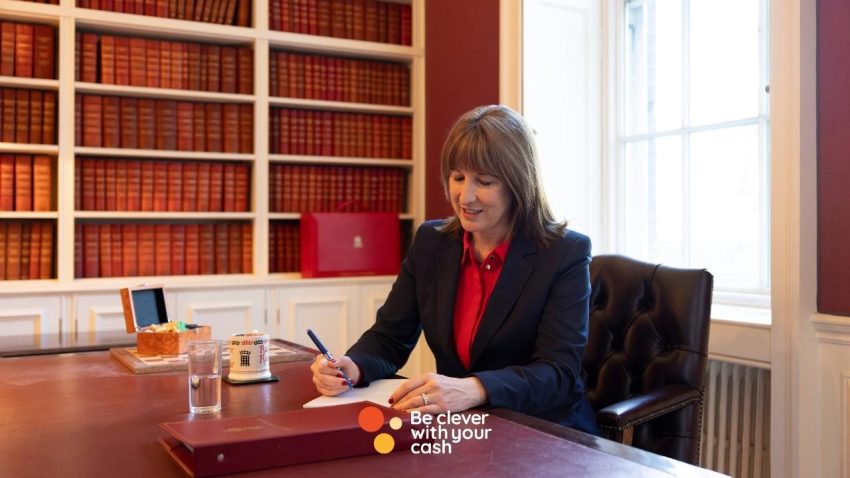



Taxes, income, pensions and mortgages – all the changes we might see in the upcoming Spring Statement
Chancellor Rachel Reeves is due to give her Spring Statement on Tuesday, 3 March where she outlines the government’s plans for the economy and our personal finances.
Official estimates from the Office for Budget Responsibility (OBR), of economic growth, government spending, and unemployment levels will also be published at the same time.
Reeves has said the Autumn Budget is the major financial event and the Spring Statement is just an update but despite this, she may announce policy changes and these could include things like changes to taxes or increases in benefits.
While it’s impossible to know what she might say, here we take a look at some of the predictions to see how your finances could be impacted.We will keep this page updated as more news comes out.
Some articles on the site contain affiliate links, which provide a small commission to help fund our work. However, they won’t affect the price you pay or our editorial independence. Read more here.
What is the Spring Statement?
By law, the government has to give two updates a year on the state of the nation’s finances and its plans for taxes and spending, one in spring, one in autumn. Depending on the government, they choose to make either the spring or autumn one the main Budget, and the other a smaller update.
Rachel Reeves has decided to giver her main Budget in autumn, so the Spring Statement is a smaller affair – with fewer policy updates and changes to taxation rates expected.
It will still include the OBR’s predictions to see if the government is following its tax and spending rules. If it looks like this might not happen – growth hasn’t been as strong as predicted, for example, or unemployment levels are higher than they should be, changes to financial policies can still be announced.
However, the upcoming Spring Statement on Tuesday, 3 March (at around midday) is expected to be a little different. Last November Rachel Reeves said the OBR would only be making an assessment on the government’s rules once a year – at the Autumn Budget.
Figures from the OBR will still be included on Tuesday, but it’s expected that the Spring Statement will be more of a brief summary about the government’s financial plans, rather than an event for announcing any real changes.
 Featured switching deal
 Our top pick
 Customer rating
3.8/5
Customer rating
3.8/5
- Switch bonus£200
- OfferUnknown
- Extra bonus£25 Amazon Gift Card
- FSCS Protected? Yes
- Switch bonus requirements Switch using the Current Account Switch Service and close your old account within 60 days of starting the switch
- Deposit requirements Deposit £1,500 in the first 60 days from opening the account
- Direct debits transferred over Set up two Direct Debits before or after the switch from a selected list of household bills
- Existing customers? Can't have held any Santander current account on 1 January 2025
- Restrictions Can't have received a switching bonus from Santander already, offer limited to once per person
- Eligible accounts Open a new or hold an existing Everyday, Edge, Edge Up or Edge Explorer current account
- £25 Amazon Gift Card requirements To qualify for the gift card, you need to complete a full switch using CASS, and make five debit card transactions within 30 days of opening the account.
What changes could be announced?
Mortgages and savings
Inflation is expected to continue to fall this year, and if this happens it increases the chance of a base rate cut by the Bank of England. If this were to go ahead, mortgage rates could fall giving some relief to homeowners. However, at the same time this could hit savers with a reduction in the interest rates paid out on savings accounts.
Tax changes
Reeves made sweeping tax changes in her last Autumn Budget so it’s unlikely she will go down this route again, especially as she has reinforced that the Spring Statement won’t be a time for any major announcements. However, millions of people are currently being pushed into paying more tax as thresholds are still frozen until April 2031 in England, Wales and Northern Ireland.
Wage increases
The National Living Wage, for workers aged 21 and older, will rise by 4.1% in April and although this was confirmed at the Autumn Budget, it’s likely Reeves will highlight this boost to incomes. Workers aged 18-20 will also see the minimum wage rise to £10.85 and for 16-17 year olds it will increase to £8.00.
Cash ISAs
Reeves announced plans to cut the cash ISA allowance to £12,000 (from £20,000) in her last Budget. This change is set to happen in April 2027 to try and encourage more people into investing, but critics have said it would be better for the government to focus on simplifying the current ISA market instead. An update to how the change in the allowance will work may be provided at the Spring Statement.
You can read Andy’s top picks for the best Cash ISAs here.
Pensions
Changes to the state pension mean from April 2027 pensioners on a low income will not be required to pay tax if their income comes just from the state pension. More information on how this will happen might be included in the Spring Statement.
Over recent years there have been several changes to pension rules, such as a cap on salary sacrifice, which will be introduced in 2029.
Some experts in the pensions industry are now calling for Reeves to avoid any further adjustments to pension policy which can confuse consumers and make them less reluctant to engage with their retirement savings.
Lisa Picardo, chief business officer UK at PensionBee, said: “Frequent policy changes to an already complex pension environment can make it significantly harder for savers to feel confident about the decisions they are making today.
“Savers benefit from clarity and consistency. Assuming no surprises in the Spring forecast, the case for giving the system some desperately-needed stability, and allowing the general public time to digest the recent changes and their ramifications for their savings, has never been greater.”
Get the best of our money saving content every week, straight to your inbox
Plus, new Quidco customers get a high paying £18 welcome offer

Student loans
There has been a lot of news around student loans recently, so there’s a high chance they may come up on Tuesday. Changes that were implemented last year to graduates who had a plan 2 student loan have faced criticism. The threshold at which graduates repay these loans was frozen and estimates show this could see graduates paying off hundreds of pounds more each year.
AJ Bell director of public policy, Tom Selby, said: “It’s unclear at this stage what the government may do and whether it will impact plan 2 student loans or the other loans too.
“The levers they can pull would likely involve tweaking interest rates or repayment thresholds, or possibly a combination of the two. If that happens those with a student loan will be getting their calculators out to work out what impact it will have on their repayments and the lifetime cost of their student debt.”
Alcohol, vapes, cigarettes and fuel duty
There is currently a 5p-a-litre fuel duty freeze in place until 31 August so it’s unlikely another price cut will be announced in the Spring Statement but the freeze could be extended further.
At the moment the freeze is set to rise by 1p in September, 2p in December and then another 2p in March 2027.
What’s happening with the economy right now?
It’s been 15 months since Labour came to power and Reeves has said 2026 will be the year that the public start noticing the impact of the changes which it has put in place.
Some of the key measures that show how well the economy are doing include the following:
- Inflation has fallen significantly to 3% in the year to January, yet it’s still higher than the Bank of England’s target of 2%.
- Unemployment rose to 5.2% in the last quarter of 2025, the highest level for five years
- Growth Domestic Product (GDP) was up by 0.1% in the last three months of 2025 and 1.3% over the entire year – which is lower than experts had predicted.
- Average pay has risen by a higher rate than inflation, up by 4.2% in 2025
After the cost-of-living crisis and soaring inflation from a few years ago, the economy has been relatively stable over the last year. Yet despite this the government has been criticised by economists and financial experts for the economy being too slow to show significant economic growth.